

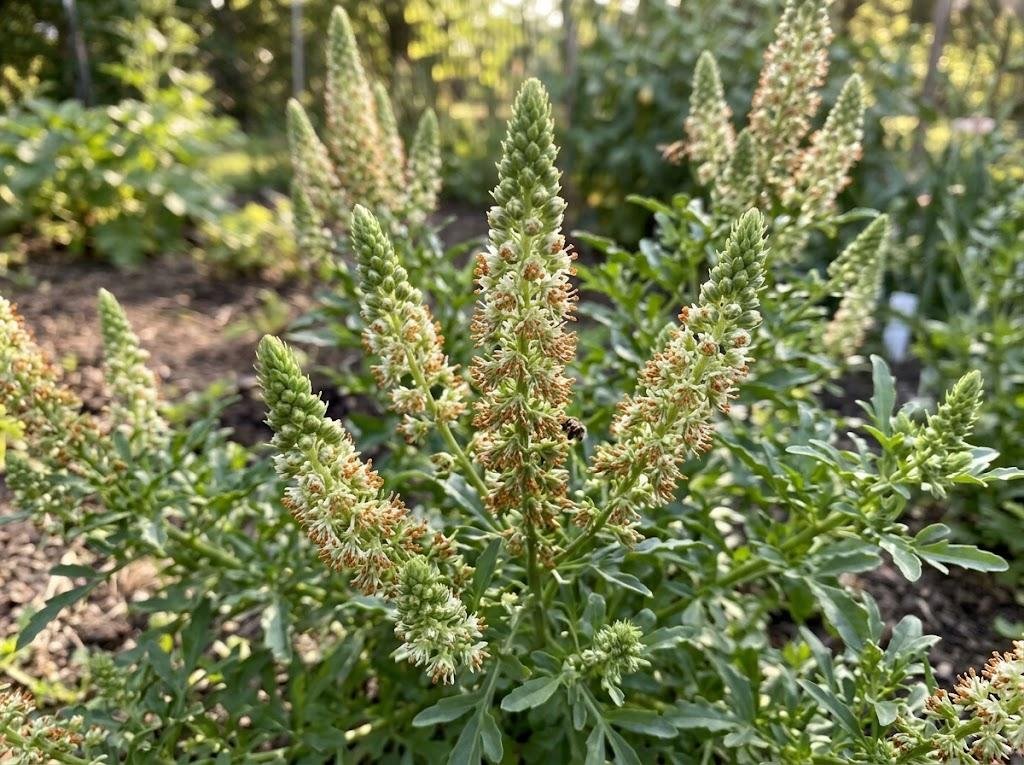

If you’ve ever walked through an old-fashioned garden and caught a sweet, almost spicy scent in the air, there’s a good chance mignonette was nearby. Mignonette (Reseda odorata) is a modest-looking annual flower whose small, greenish-yellow blooms hide an outsized reputation for fragrance. Unlike showier garden flowers, mignonette doesn’t rely on bold color to earn its place — it wins people over with scent alone. Gardeners who grow mignonette once often keep growing it every year, simply because nothing else in the border smells quite like it.
A Brief History of Mignonette
The story of mignonette goes back further than most people expect. French in origin, the name itself translates roughly to “little darling,” a nod to how unassuming the plant looks compared to its perfume. During the Victorian era, mignonette became something of a sensation in Europe, prized in window boxes and courtyards precisely because its fragrance could fill a room without taking up much space. Perfumers of the time also took notice, and mignonette extract found its way into early fragrances. Even today, you’ll still find mignonette mentioned in writing about historic cottage gardens, which says a lot about how long this little flower has held its charm. For more on how Victorian gardeners used scented plants, this overview of historic cottage garden design is worth a look.
Why Gardeners Love Mignonette
Ask any longtime gardener why they still plant mignonette, and the answer usually comes down to one word: smell. Mignonette produces a warm, slightly musky fragrance that intensifies in the evening, making it a favorite near patios, porches, and open windows. It’s also forgiving. Mignonette isn’t a fussy plant, and it doesn’t demand constant attention to reward you with blooms all summer long. Pollinators appreciate it too — bees are drawn to mignonette flowers even though they’re easy to overlook visually. For anyone trying to build a garden that appeals to more than just the eyes, mignonette is a quietly brilliant choice.
How to Grow Mignonette
Growing mignonette successfully starts with understanding what it actually wants, which is less than you might think. Mignonette prefers cool growing conditions and tends to struggle once temperatures climb too high, so early spring or early autumn sowing works best in most climates. Sow mignonette seeds directly into the soil rather than starting them indoors, since the plant dislikes having its roots disturbed during transplanting. A spot with full sun to partial shade and well-drained, slightly alkaline soil gives mignonette the best start. Water consistently but avoid soggy soil, which mignonette tolerates poorly. Within a few weeks of germination, you’ll start to see the first signs of growth, and flowering typically follows six to eight weeks after sowing.
Caring for Mignonette Through the Season
Once established, mignonette asks for very little ongoing care. Light, regular watering during dry spells keeps the plant healthy, and deadheading spent blooms encourages mignonette to keep flowering rather than setting seed too early. Because mignonette tends to flop over as it grows taller, many gardeners plant it alongside sturdier companions that offer a bit of support, or they simply let it sprawl along a border edge where its habit doesn’t matter. A light feeding once or twice during the growing season is usually enough — mignonette doesn’t need, and doesn’t particularly like, rich fertilizer. If you’re gardening in a hot summer climate, a little afternoon shade will help mignonette hold on longer before the heat eventually ends its season.
Creative Ways to Use Mignonette
Beyond the garden bed, mignonette has a surprising number of uses. Its cut flowers, while not especially showy, add a wonderful scent to indoor bouquets, and florists have long used a few stems of mignonette to perfume an entire arrangement. Mignonette also dries reasonably well, making it a nice addition to potpourri or sachets if you want that signature fragrance indoors during winter. Historically, mignonette was grown in pots specifically so its scent could be moved from the garden onto windowsills and balconies, a trick that still works beautifully in small urban gardens today. If you’re curious about pairing scented annuals like mignonette with other fragrant plants, this guide on low-maintenance plant combinations on our site walks through a few tried-and-tested options.
Common Problems When Growing Mignonette
Mignonette is generally trouble-free, but it isn’t entirely without challenges. Aphids occasionally target young mignonette growth, and a strong blast of water or a mild insecticidal soap usually clears them up without harming the plant. Overwatering is a more common issue than pests — mignonette’s roots rot quickly in waterlogged soil, so drainage matters more than people expect. In very hot climates, mignonette may bolt and finish flowering earlier than gardeners would like; succession sowing every few weeks can stretch out the blooming period and keep fresh mignonette flowers coming through summer.
Final Thoughts on Mignonette
Mignonette will probably never be the centerpiece of a garden photo, and that’s part of its appeal. It’s the kind of plant you grow for the experience of being near it, not for how it photographs. Once you’ve grown mignonette and caught that first evening breeze carrying its scent across the garden, it tends to become a permanent fixture on the planting list. Simple, fragrant, and easy to care for, mignonette earns its old nickname — a little darling that keeps gardeners coming back year after year.


