

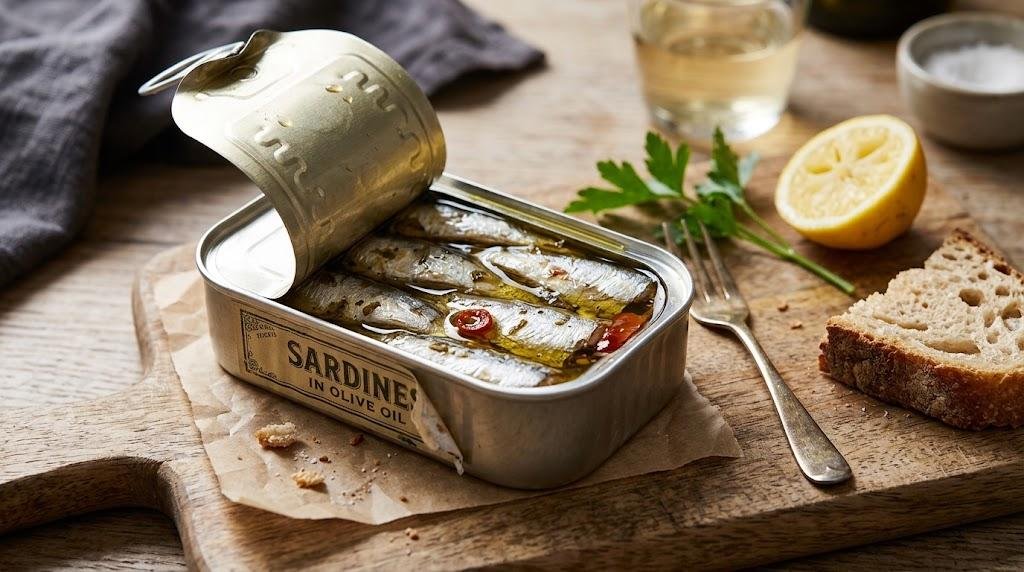

Walk down any grocery aisle and you’ll notice tinned fish is no longer tucked away as an afterthought. Sardines, mackerel, tuna, and anchovies now sit proudly on shelves, often with prettier labels and higher price tags than before. People are rediscovering what home cooks in coastal countries have known for generations: tinned fish is fast, affordable, and genuinely good for you. It doesn’t need refrigeration, it lasts for years, and it turns into a real meal in under five minutes.
The Nutritional Case for Tinned Fish
Most tinned fish is packed with omega-3 fatty acids, protein, and vitamin D. Sardines and mackerel also deliver a serious dose of calcium when you eat the soft bones, which is something fresh fillets can’t offer. Because tinned fish is usually canned within hours of being caught, it often holds onto more nutrients than fish that sits on ice for days before reaching a counter. If you’re trying to eat more seafood but find fresh fish intimidating or expensive, tinned fish solves both problems at once. For a deeper look at mercury levels and safe serving sizes across different species, the FDA’s advice about eating fish is a useful reference.
Best Types of Tinned Fish to Try First
Not all tinned fish tastes the same, and the variety is part of the fun. Sardines are bold and oily, best mashed onto toast with mustard. Mackerel has a richer, meatier texture that works well in salads. Tuna is the mildest option, which makes it the easiest entry point if you’re new to tinned fish altogether. Anchovies are the most intense of the bunch, and a little goes a long way in sauces and dressings. Trying a few varieties helps you figure out which tinned fish actually fits your taste before you commit to buying it in bulk.
How to Pick a Quality Tin
Price alone doesn’t tell you much about quality, so it helps to know what to check. Look at the packing liquid first: olive oil tends to produce better-tasting tinned fish than water or cheap vegetable oil. Check the catch method on the label, since pole-and-line or troll-caught fish usually means better sustainability practices. Smaller producers often can the fish within hours of catching it, which noticeably improves flavor and texture compared to mass-market brands. A quick look at the ingredient list also matters, since some brands add unnecessary fillers or excess salt. None of this takes more than a few seconds once you know what to look for.
Easy Ways to Cook With Tinned Fish
The biggest misconception about tinned fish is that it only belongs in sandwiches. In reality, it’s one of the most versatile proteins in the kitchen. Toss sardines with lemon and chili flakes over pasta for a dinner that takes ten minutes start to finish. Flake mackerel into a bowl with yogurt, dill, and cucumber for a cold salad that works for lunch all week. Tuna blends beautifully into a simple pâté with butter and capers, perfect for a quick snack. If you want a complete week of meals built entirely around canned proteins, we’ve put together a tinned fish meal plan with five recipes that each take under fifteen minutes.
Storing and Serving Tinned Fish Safely
Unopened tinned fish keeps for years in a cool, dry cupboard, which is exactly why it’s such a reliable pantry item. Once opened, though, it behaves like any fresh seafood: transfer leftovers to a sealed container and eat them within two to three days. Avoid leaving an opened tin sitting out at room temperature for more than an hour, especially in warmer weather. If the tin looks swollen, dented, or rusted before you even open it, throw it out rather than risk it. Treat tinned fish with the same care you’d give fresh fish once the lid comes off, and it will reward you with consistently good meals.
A Pantry Staple Worth Keeping Stocked
Tinned fish isn’t a trendy shortcut; it’s a genuinely smart way to eat well without much effort or expense. Keep a small rotation of sardines, mackerel, and tuna on hand, and you’ll always have the start of a meal within reach. For more ideas on stretching simple pantry ingredients into full dinners, check out our guide to building meals from canned staples. Once tinned fish earns a permanent spot in your kitchen, you’ll wonder why it took this long to get there.


