

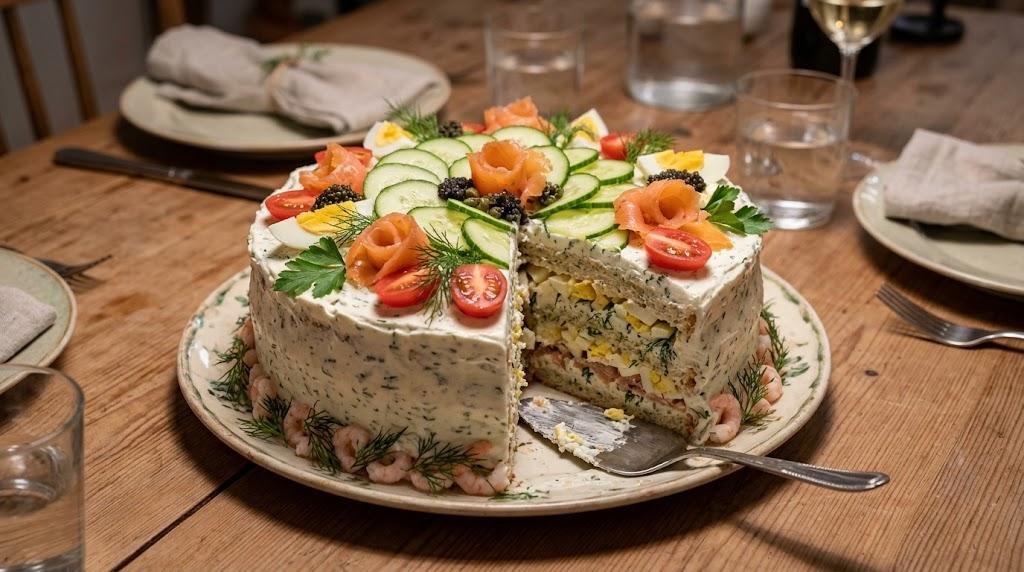

There’s something special about ending a family meal with a homemade dinner cake. A dinner cake turns an ordinary weeknight into something worth remembering, and it doesn’t require any special baking skill or a long ingredient list. This dinner cake guide walks you through picking the right ingredients, baking it well, and serving it so it feels like the natural, comforting finish to your meal rather than a separate production. Whether you’re cooking for two or feeding a full table, a cake like this fits right in after the main course. If you love simple baking, check out more of our dessert recipes for ideas that pair well with a dinner cake.
What Makes a Great Dinner Cake
A great dinner cake is simple, moist, and not overly sweet, since it follows a savory meal rather than standing alone as the main event of the evening. Unlike a birthday cake loaded with frosting and multiple layers, a dinner cake should feel light enough that nobody feels too full after a single slice. Think butter cakes, spice cakes, olive oil cakes, or a simple pound cake rather than towering layer cakes with heavy buttercream. According to King Arthur Baking, cakes with less sugar and a tender, even crumb hold up best when served warm right after a meal, which is exactly what you want from a dinner cake. The goal is balance: enough sweetness to feel like a treat, but not so much that it competes with everything you just ate.
Choosing Ingredients for Your Dinner Cake
The best dinner cake starts with basic ingredients you likely already have on hand: flour, eggs, butter, sugar, and a leavening agent like baking powder or baking soda. Fresh dairy makes a real difference here, so use real butter and whole milk when you can rather than substitutes. Adding citrus zest, warm spices like cinnamon or cardamom, or a splash of good vanilla extract gives your dinner cake character without turning it into a fussy, complicated dessert. Seasonal fruit — apples in autumn, berries in summer — can also be folded into the batter or layered on top. If you want more inspiration, Serious Eats has excellent breakdowns of how different fats and sugars change a cake’s texture, which is useful homework before your next dinner cake.
Simple Steps to Bake a Dinner Cake
Start by creaming butter and sugar together until the mixture turns pale and fluffy, then add eggs one at a time so the batter doesn’t split. Fold in the dry ingredients gently, alternating with milk if the recipe calls for it, so your dinner cake stays tender instead of dense or tough. Bake at a moderate temperature, usually around 350°F, and check it a few minutes early, since an overbaked cake dries out fast and loses the soft texture you want. A toothpick inserted in the center should come out clean or with just a few moist crumbs. Allrecipes offers a helpful guide on oven temperatures and baking times if you’re new to making a dinner cake from scratch and want to avoid common mistakes like a sunken center or dry edges.
Serving Your Dinner Cake After Dinner
Serve your dinner cake slightly warm, with a light dusting of powdered sugar, a dollop of whipped cream, or a small scoop of ice cream if you want something a little extra. Keep portions modest since this cake follows a full meal rather than replacing one entirely. A warm dinner cake pairs beautifully with coffee or tea, giving everyone at the table a reason to slow down and linger a little longer before the evening wraps up. It’s a small ritual that makes an ordinary dinner feel a bit more intentional, without adding stress to the cook.
Storing Leftovers for Later
If there’s any left, this cake keeps well in an airtight container for a couple of days at room temperature, or up to a week if you store it in the fridge. Warm individual slices briefly in the microwave or a low oven before serving them again, since a few seconds of gentle heat brings back that fresh-baked softness. Keeping a cake like this ready to go in the kitchen makes weeknight dinners feel a little more special without any extra effort the next time around, and it gives you an easy answer whenever someone asks what’s for dessert.


