

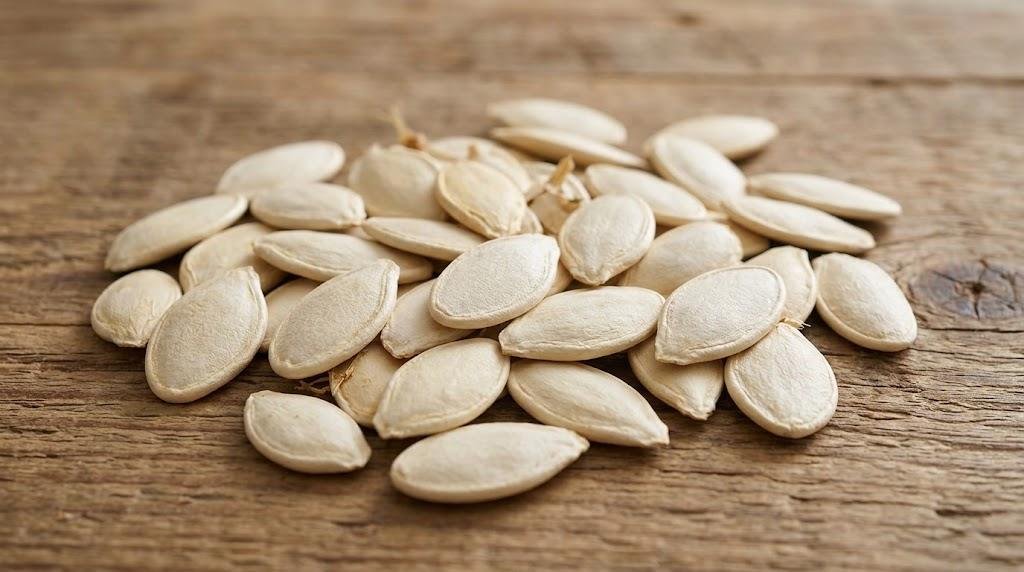

If you’ve ever carved a pumpkin and tossed the seeds in the trash, you’ve thrown away one of the easiest superfoods around. Pumpkin seeds, also called pepitas, are the small, flat seeds found inside a pumpkin. Once roasted, pumpkin seeds turn into a crunchy, slightly nutty snack that works just as well on a salad as it does straight from the bag. People have been eating pumpkin seeds for centuries, and modern nutrition research is finally catching up to what traditional diets already knew: pumpkin seeds are worth paying attention to.
Why Pumpkin Seeds Are So Nutritious
A small handful of pumpkin seeds delivers a surprising amount of nutrition. Pumpkin seeds are rich in magnesium, zinc, iron, and healthy fats, along with a solid dose of plant-based protein. For anyone trying to eat more whole foods, pumpkin seeds are an easy win because they require no prep beyond roasting. According to Harvard T.H. Chan School of Public Health, pumpkin seeds also contain antioxidants that may support heart and immune health. That’s a lot of benefit packed into something most of us used to scoop out and discard.
How Pumpkin Seeds Support Your Health
Beyond the basic nutrient list, pumpkin seeds have a few specific roles worth knowing about. The magnesium in pumpkin seeds supports healthy blood pressure and bone strength, while the zinc in pumpkin seeds plays a role in immune function and wound healing. Some people also eat pumpkin seeds because the amino acid tryptophan found in them may help with sleep when paired with a carbohydrate like fruit. None of this means pumpkin seeds are a cure-all, but adding pumpkin seeds to a varied diet is a low-effort way to round out your nutrient intake. If you’re curious about building a broader list of nutrient-dense snacks, check out our guide to simple healthy snacks for more ideas that pair well with pumpkin seeds.
The Best Ways to Eat Pumpkin Seeds
Pumpkin seeds are flexible, which is part of why they’re easy to keep around. Here are a few simple ways to work pumpkin seeds into your week:
- Roast pumpkin seeds with olive oil and sea salt for a quick snack
- Sprinkle pumpkin seeds over salads, soups, or oatmeal
- Blend pumpkin seeds into smoothies for extra protein
- Mix pumpkin seeds into homemade granola or trail mix
- Grind pumpkin seeds into a paste for dips, similar to tahini
Raw pumpkin seeds work fine too, but roasting brings out a deeper, nuttier flavor that most people prefer. Either way, pumpkin seeds don’t need much to taste good.
Buying and Storing Pumpkin Seeds
When shopping, you’ll usually see pumpkin seeds sold either in the shell or already hulled (the green ones). Hulled pumpkin seeds are more convenient, while in-shell pumpkin seeds take a bit more effort but offer extra fiber. Store pumpkin seeds in an airtight container in a cool, dry place, and they’ll stay fresh for a few months. For longer storage, keeping pumpkin seeds in the fridge or freezer helps protect the oils inside from going rancid. Buying pumpkin seeds in bulk from a trusted source, like the options reviewed by Consumer Reports, can also save money if you eat them often.
Are There Any Downsides to Pumpkin Seeds?
Pumpkin seeds are generally safe for most people, but they’re calorie-dense, so portion matters if you’re watching intake closely. A quarter-cup of pumpkin seeds is a reasonable serving for most people. Some store-bought pumpkin seeds are also heavily salted, which isn’t ideal if you’re managing sodium intake — look for unsalted or lightly salted pumpkin seeds when possible. Outside of that, pumpkin seeds are one of the few snacks that are hard to overdo in a way that causes real harm.
A Simple Snack Worth Keeping Around
Pumpkin seeds aren’t flashy, but that’s part of their appeal. They’re cheap, easy to store, and genuinely useful — a snack you can feel good about reaching for instead of something processed. Whether you’re roasting your own pumpkin seeds from a jack-o’-lantern or buying a bag at the store, pumpkin seeds are a small addition that pays off. Once you start keeping pumpkin seeds in the pantry, you’ll probably find more uses for them than you expected.


