

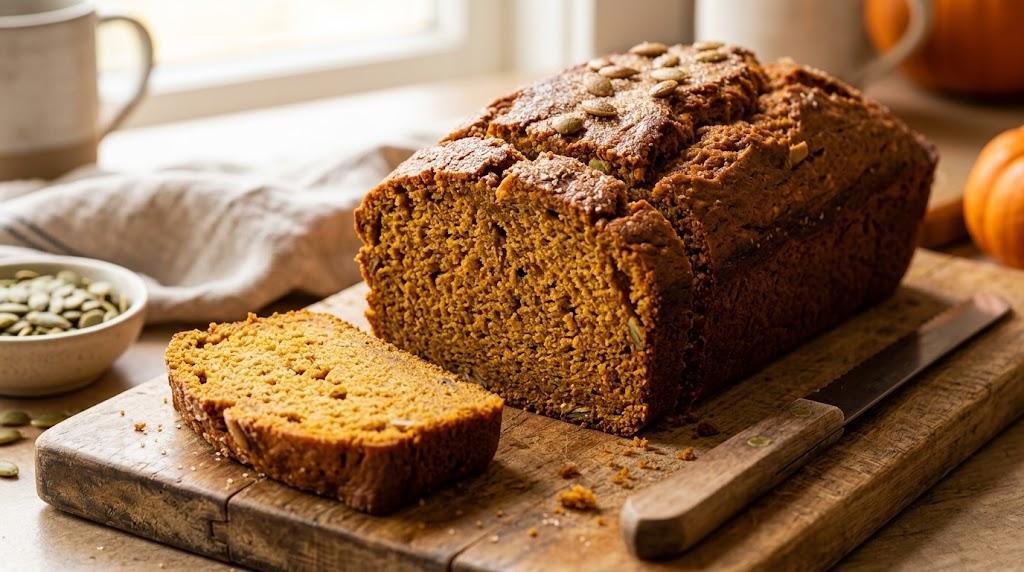

Why Pumpkin Loaf Belongs in Your Fall Baking Rotation
There’s something about the smell of a pumpkin loaf baking that instantly makes a kitchen feel warmer. The mix of cinnamon, nutmeg, and that deep orange batter turning golden in the oven is one of the simplest joys of autumn. A good pumpkin loaf isn’t fussy — it comes together in one bowl, bakes low and slow, and rewards you with a moist, tender crumb that tastes even better the next day. If you’ve never made one from scratch, this is the year to start.
What Makes a Great Pumpkin Loaf
The best pumpkin loaf strikes a balance between dense and fluffy. You want a crumb that holds together when sliced but still feels light on the fork. The secret is in the ratio of pumpkin puree to flour and sugar, plus a generous but not overwhelming dose of warm spices. Too much pumpkin and your loaf turns gummy; too little and you lose that signature flavor. Using canned pumpkin puree (not pumpkin pie filling, which already has sugar and spices added) gives you full control over the final taste.
Ingredients You’ll Need for This Pumpkin Loaf
You don’t need anything exotic to make a pumpkin loaf at home. A basic version calls for all-purpose flour, baking soda, baking powder, salt, cinnamon, nutmeg, and cloves for the dry mix. For the wet ingredients, you’ll want pumpkin puree, eggs, vegetable oil (or melted butter for extra richness), granulated sugar, and a splash of vanilla extract. Some bakers like to fold in walnuts, pecans, or chocolate chips for texture, but a plain pumpkin loaf is delicious enough to stand on its own.
Step-by-Step: How to Make Pumpkin Loaf
Start by preheating your oven to 350°F (175°C) and greasing a standard loaf pan. In one bowl, whisk together your dry ingredients. In a separate bowl, mix the pumpkin puree, eggs, oil, sugar, and vanilla until smooth. Gently fold the dry ingredients into the wet mixture — overmixing is the most common reason a pumpkin loaf turns out tough instead of tender. Pour the batter into the pan, smooth the top, and bake for 55 to 65 minutes, or until a toothpick inserted in the center comes out clean. Let the pumpkin loaf cool in the pan for about 15 minutes before transferring it to a wire rack.
Tips to Keep Your Pumpkin Loaf Moist
A dry pumpkin loaf is usually the result of overbaking or too much flour packed into the measuring cup. Spoon your flour into the measuring cup and level it off rather than scooping directly from the bag. Check your loaf a few minutes before the recipe’s suggested bake time, since ovens vary. Wrapping the cooled pumpkin loaf tightly in plastic wrap and letting it sit overnight actually improves the texture, allowing the spices to settle in and the crumb to firm up just right.
Storing and Freezing Pumpkin Loaf
One of the best things about pumpkin loaf is how well it keeps. Stored at room temperature in an airtight container, it stays fresh for about four days. In the fridge, you can stretch that to a week. For longer storage, slice the loaf, wrap individual pieces in plastic wrap, and freeze them in a zip-top bag for up to three months. This makes pumpkin loaf a great make-ahead option for busy mornings or last-minute guests — just thaw a slice and you’re set.
Fun Variations on Classic Pumpkin Loaf
Once you’ve nailed the basic pumpkin loaf, it’s easy to experiment. Try swapping half the all-purpose flour for whole wheat flour for a heartier texture. A cream cheese swirl running through the center turns a simple pumpkin loaf into something closer to dessert. Adding a streusel topping of brown sugar, butter, and flour gives the loaf a crunchy contrast to the soft interior. However you customize it, the base pumpkin loaf recipe is flexible enough to handle almost any twist.
Serving Ideas for Pumpkin Loaf
Pumpkin loaf is wonderful on its own, but a few additions can make it feel special. A light dusting of powdered sugar or a simple glaze made from powdered sugar and milk adds a nice finishing touch. Toasted slices with a pat of butter make a cozy breakfast, while a thicker slice topped with whipped cream works as a light dessert. Pair it with a hot cup of coffee or chai, and you have a perfect afternoon treat during the cooler months.
If you’re curious about the nutritional profile of pumpkin itself, the USDA’s FoodData Central page on pumpkin offers a detailed breakdown of its vitamins and fiber content — useful context if you’re thinking about how pumpkin loaf fits into your overall diet.
For more comforting fall bakes like this one, check out our other seasonal baking recipes (replace with your actual internal link).
Final Thoughts on Baking the Perfect Pumpkin Loaf
Pumpkin loaf is one of those recipes that feels like it belongs to the season itself — easy enough for a weeknight bake, yet special enough to share. Once you’ve got the base recipe down, it becomes a go-to you’ll return to every time the weather cools. Whether you keep it simple or dress it up with a glaze or swirl, a homemade pumpkin loaf is one of the most satisfying things you can pull out of your oven this fall.


