

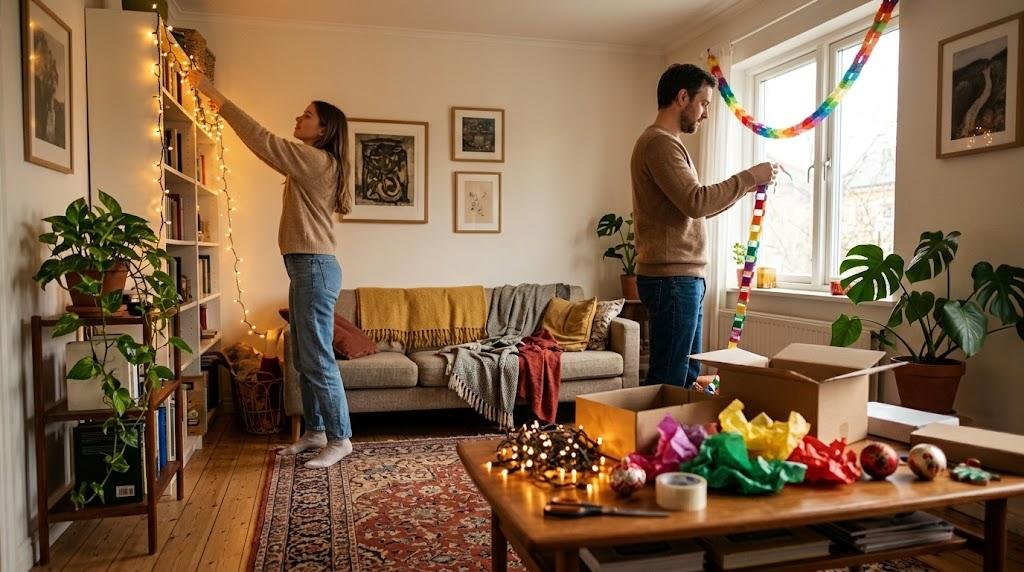

Decorating isn’t just about making a room look good in photos. It’s about shaping a space you actually want to spend time in. Good decorating turns a house into a home — the kind of place where you feel calm after a long day, where guests linger a little longer, and where every corner reflects something about who you are. When you start decorating with intention, even small changes can shift how a room feels. You don’t need a huge budget or a professional eye. You just need a plan, a little patience, and a willingness to experiment until the space feels right.
Start Decorating With a Clear Vision
Before you buy a single throw pillow, it helps to know what mood you’re going for. Are you decorating for warmth and coziness, or something clean and minimal? Maybe you want a space that feels bright and playful. Pinterest boards and home magazines like Architectural Digest are great for pulling together ideas, but don’t copy a look wholesale — pick the elements that genuinely excite you. Decorating works best when it reflects your own taste rather than someone else’s living room. Write down three words that describe how you want the room to feel, and let those words guide every decorating decision you make from there.
Decorating on a Budget Without Sacrificing Style
One of the biggest myths about decorating is that it requires deep pockets. In reality, some of the most charming rooms are built from secondhand finds, clever rearranging, and a few well-chosen accents. Thrift stores, estate sales, and online marketplaces are goldmines for decorating pieces with character you won’t find in a big-box store. A fresh coat of paint on an old dresser, new hardware on cabinets, or a reupholstered chair can completely transform a space for a fraction of the cost of buying new. When you’re decorating on a budget, prioritize the items you touch or see most — your sofa, your bed, your main light fixture — and save money on the smaller accessories that are easy to swap out later.
Color and Light: The Backbone of Good Decorating
Color sets the emotional tone of a room, so it deserves real thought during the decorating process. Warm tones like terracotta and mustard create coziness, while cool blues and greens feel calm and airy. If you’re nervous about committing to color, start with a neutral base and layer in color through textiles, art, and accessories — they’re far easier to change than walls. Lighting is just as important in decorating as color choice. Layer your light sources: overhead lighting for general brightness, lamps for warmth, and task lighting for reading corners. A well-lit room instantly feels more finished, even before the rest of the decorating is complete. For a deeper look at how color psychology affects interiors, Better Homes & Gardens has some genuinely useful breakdowns.
Decorating Room by Room
Every room has different decorating needs. Living rooms benefit from a mix of seating, a strong focal point like a fireplace or media wall, and layered textures — think a wool rug, a linen sofa, and a few metallic accents. Bedrooms are all about comfort, so decorating here should center on soft bedding, blackout curtains, and calming colors that help you unwind. Kitchens and bathrooms are smaller canvases, but decorating touches like open shelving, a statement backsplash, or a bold mirror can make a big visual impact in a tight space. Whatever room you’re tackling, resist the urge to finish it all in one weekend. The best decorating happens gradually, giving you time to notice what’s missing and what’s unnecessary.
Small Decorating Touches That Make a Big Difference
Sometimes the smallest details carry the most weight. Fresh flowers or a potted plant instantly bring life into a room. Swapping out old light switch covers, adding textured throw pillows, or hanging art at the right height are all decorating moves that cost little but change a lot. Scent matters too — a candle or diffuser adds an often-overlooked layer to the decorating experience, since a room that smells inviting feels more welcoming the moment you walk in. Mirrors are another decorating trick worth remembering: they bounce light around a room and make small spaces feel larger. These finishing touches are often what separates a house that looks “fine” from one that feels genuinely decorated with care.
Letting Your Decorating Style Evolve
Your home doesn’t need to be “done” to be enjoyed. Decorating is an ongoing process, not a one-time event. Tastes change, furniture wears out, and new finds come along that deserve a spot in your space. Give yourself permission to keep decorating slowly over months or years, rather than rushing to fill every wall and shelf right away. A home that evolves with you will always feel more authentic than one that was styled perfectly and then frozen in time. Approach decorating as a long-term relationship with your space, and you’ll end up with a home that genuinely feels like yours — not a showroom, but a place built around how you actually live.


