

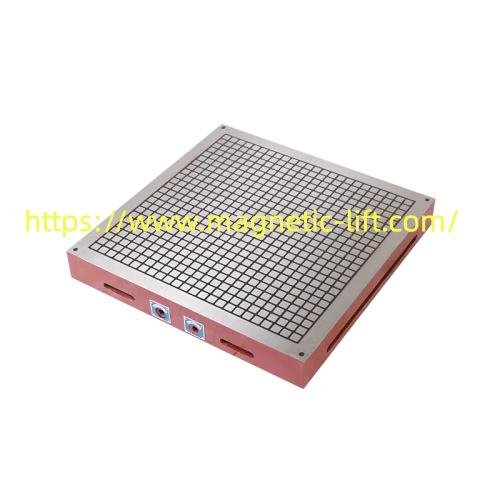
Can Kaixin Permanent Magnetic Chuck Simplify Everyday Machining Tasks

Permanent Magnetic Chuck technology is becoming an interesting subject for manufacturers looking to improve workpiece positioning and organize machining operations. In a busy production environment, even small changes to the way metal components are secured can influence preparation time, tool accessibility, and operator routines. Grinding, milling, and surface finishing all involve different working conditions. Choosing suitable equipment therefore requires an understanding of production processes, component characteristics, and the layout of the workshop. For purchasing teams, the real question is not simply what a product looks like, but how it fits into everyday manufacturing activities.
One important consideration is the relationship between raw materials and equipment compatibility. Different steel grades have different physical characteristics, which can influence their response to magnetic fields. Carbon steel and certain iron based materials are commonly used in these applications, while aluminum, brass, and some stainless steel grades require alternative arrangements. Heat treatment and material composition can also influence workholding conditions. Manufacturers processing several types of metal should identify their materials before discussing equipment options. Providing accurate material information helps suppliers evaluate whether a particular solution is appropriate for the intended application.
The shape of a component is equally important. Large flat plates, narrow strips, small blocks, and irregularly shaped parts create different positioning requirements. A component with a broad, even contact area may be easier to position than one with an uneven underside or complicated geometry. Buyers should consider how each workpiece will sit on the working surface and whether additional positioning accessories are necessary. Thinking about component shape during the purchasing stage can help reduce unnecessary adjustments after installation.
Another detail that deserves attention is the condition of the working surface. Manufacturing materials often arrive with oil, rust, dust, cutting residue, or small surface imperfections. These conditions can influence contact between the component and the equipment. Before processing begins, employees should follow suitable cleaning and preparation procedures. The equipment surface should also be checked regularly to identify contamination, scratches, or visible damage. Maintaining clean contact areas supports consistent workshop procedures and helps employees identify potential problems before starting production.
Product construction is another interesting subject for industrial buyers. The housing, working plate, internal arrangement, operating handle, and switching mechanism all contribute to the equipment design. Buyers may want to understand how these components are assembled and how they relate to the intended application. The exterior should also suit the working environment, particularly in facilities where equipment is exposed to coolant, metal particles, and regular handling. A practical structure can make positioning, cleaning, and routine inspection easier for workshop personnel.
Production planning also plays an important role in equipment selection. Some manufacturers handle individual components, while others process repeated batches with similar shapes and production requirements. Repeated operations may benefit from a consistent positioning procedure that employees can follow across different workstations. When introducing new equipment, businesses should consider how materials arrive, where components are positioned, how finished parts are removed, and where equipment is stored between operations. These details help purchasing teams evaluate whether a product fits the existing workflow.
Tool accessibility is another reason manufacturers review alternative workholding arrangements. Conventional mechanical fixtures can occupy space around a component, sometimes restricting access to certain processing areas. A suitable magnetic arrangement can reduce the need for physical clamping components around compatible workpieces. This may provide additional access when machining different surfaces or preparing components for finishing. However, actual suitability depends on the workpiece geometry, machining method, contact condition, and processing forces. Each application should be assessed individually rather than assuming the same arrangement works for every production task.
Operator convenience should not be overlooked. Employees interact with industrial equipment throughout the working day, so the arrangement of controls and operating components matters. A clearly organized handle, accessible switching mechanism, and understandable operating instructions can make routine procedures easier to follow. Equipment installation should also take account of machine table positioning, surrounding space, and employee movement. When these details are considered together, businesses can introduce new equipment without unnecessarily complicating established working habits.
Maintenance planning is another useful subject to discuss with manufacturers. Workshop environments can expose equipment to coolant, dust, metal fragments, and other contaminants. Regular cleaning, visual inspection, and appropriate servicing help maintain equipment condition. Employees should understand the recommended operating procedures and know how to identify visible signs of damage. Purchasing teams can also ask suppliers about replacement components, technical support, storage recommendations, and servicing arrangements. Having this information before purchasing makes future equipment management easier to plan.
When comparing suppliers, buyers should pay attention to manufacturing processes, structural details, application guidance, and customization possibilities. Product photographs alone cannot explain how equipment will perform in a particular workshop. A useful supplier discussion should include information about the machine, workpiece materials, component shapes, machining processes, and daily production arrangements. This gives manufacturers a clearer understanding of the application and allows them to discuss suitable product configurations with potential buyers.
For businesses planning to improve their metalworking arrangements, Kaixin provides industrial equipment options for different manufacturing and workshop applications. Its product range gives purchasing teams an opportunity to discuss structural design, material compatibility, and practical application requirements with the manufacturer. Companies interested in reviewing available models and learning about the company can visit https://www.magnetic-lift.com/product/ to view its product information. By connecting equipment selection with real production conditions, manufacturers can plan more organized machining processes and create working arrangements that suit their daily operations.


