

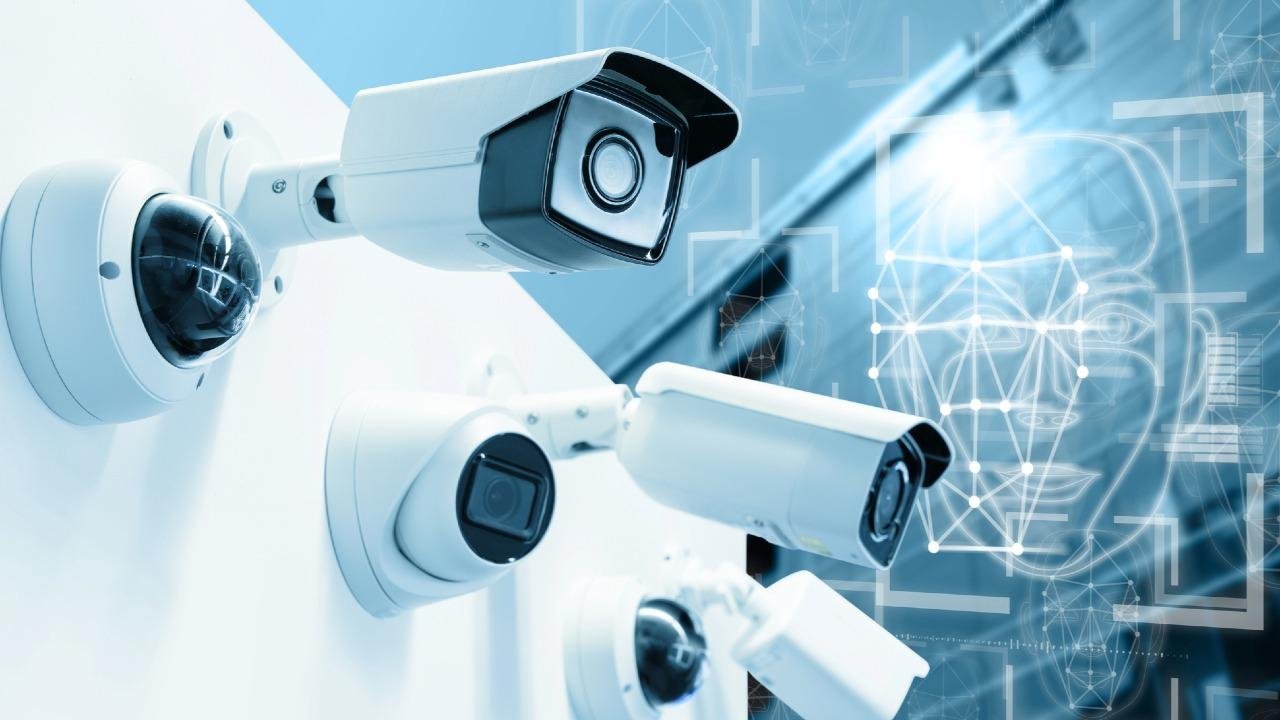

Understanding Modern Property Security
Protecting a home or business involves more than locking doors and checking entrances. Modern security technology gives property owners additional ways to monitor activity, review important events, and stay informed about their surroundings. A well-planned camera system can improve visibility around entrances, parking areas, hallways, and other important spaces while supporting a more organized approach to property protection.
Planning the Right Camera Setup
Surveillance Camera Installation in Yardley PA can help property owners establish a monitoring system suited to their building layout and security priorities. Before selecting equipment, it is important to identify the areas that need coverage and determine whether indoor cameras, outdoor units, or a combination of both will be appropriate. Careful planning helps avoid unnecessary blind spots and supports more useful camera placement.
Choosing Suitable Camera Locations
Camera placement affects how clearly a security system captures important activity. Entrances, driveways, garages, reception areas, and storage spaces may require different viewing angles depending on the property. Cameras should be positioned to capture useful details without unnecessary obstructions. Lighting conditions, weather exposure, mounting height, and nearby structures should also be considered when deciding where each unit should be installed.
Understanding Available Camera Features
Modern security cameras offer features that can support different monitoring requirements. High-definition recording can improve image clarity, while night vision helps capture activity in low-light conditions. Motion detection may reduce unnecessary recordings by identifying movement within selected areas. Some systems also provide remote viewing, two-way communication, or adjustable alerts. Choosing features based on actual needs can prevent overspending on functions that may not be useful.
Connecting Cameras to a Reliable Network
Security Networking Services in Yardley PA can support the communication between cameras, recording devices, routers, and other connected security equipment. A stable network helps cameras transmit footage and allows authorized users to access monitoring features. Network planning should account for the number of devices, video quality, connection distance, and expected data usage. These factors can influence whether wired connections, wireless equipment, or a combination is appropriate.
Comparing Wired and Wireless Systems
Wired cameras commonly use physical connections for power and data, which can provide consistent communication when installed correctly. Wireless systems may offer more flexibility when running cables is difficult, but their performance depends on signal strength and network conditions. Some cameras still require a power cable even when they transmit footage wirelessly. Understanding these differences helps property owners select a setup that suits the building.
Considering Network Capacity
A security system can place additional demands on an existing internet and local network. Multiple cameras recording high-resolution video may require sufficient bandwidth, storage, and processing capacity. Network congestion can affect live viewing, recording transfers, and remote access. Reviewing existing equipment before adding cameras helps identify possible limitations. A properly planned setup can support dependable communication without unnecessarily disrupting other connected devices.
Protecting Recorded Footage and Access
Recorded video may contain sensitive information about residents, employees, visitors, and daily business activities. Strong passwords, restricted user permissions, secure network settings, and updated equipment can help protect access. Property owners should understand where recordings are stored, how long they remain available, and who can view them. Reviewing privacy requirements and applicable regulations is also important when positioning cameras.
Selecting Appropriate Recording Options
Security footage can be stored locally through a digital video recorder or network video recorder, or remotely through supported cloud services. Each option has different storage requirements, access features, and ongoing costs. Local storage may provide direct control over recordings, while cloud storage can support remote access and off-site backups. The right choice depends on recording duration, camera resolution, available storage, and user preferences.
Maintaining Clear Camera Images
Even a properly installed camera system requires occasional maintenance. Outdoor lenses may collect dust, rain spots, or debris that reduce image quality. Camera brackets and cable connections should also be checked for signs of damage or movement. Property owners should review recorded footage periodically to confirm that cameras still capture the intended areas and that important details remain visible under different lighting conditions.
Testing the Complete Security System
After installation, every camera and network connection should be tested. Checking live feeds, recording functions, motion alerts, playback, and remote access helps confirm that the system operates as expected. Testing during both daytime and nighttime conditions can reveal lighting or positioning issues. It is also useful to verify that authorized users understand how to access footage and adjust basic settings.
Planning for Future Expansion
Security requirements may change as a property grows or its layout develops. A business may add storage areas, entrances, or additional workspaces, while homeowners may want coverage for newly built outdoor spaces. Selecting equipment and network components that allow reasonable expansion can make future upgrades easier. Planning for additional cameras, storage, and network capacity from the beginning can reduce the need for major changes later.
Maintaining Long-Term System Reliability
A dependable security setup combines suitable cameras, thoughtful placement, secure connections, and regular maintenance. Each part contributes to the overall performance of the system, so weaknesses in one area can affect the entire installation. Reviewing equipment, updating software, checking network performance, and confirming recording functionality help maintain consistent operation. With careful planning, property owners can build a monitoring system that supports their security needs over time.


