

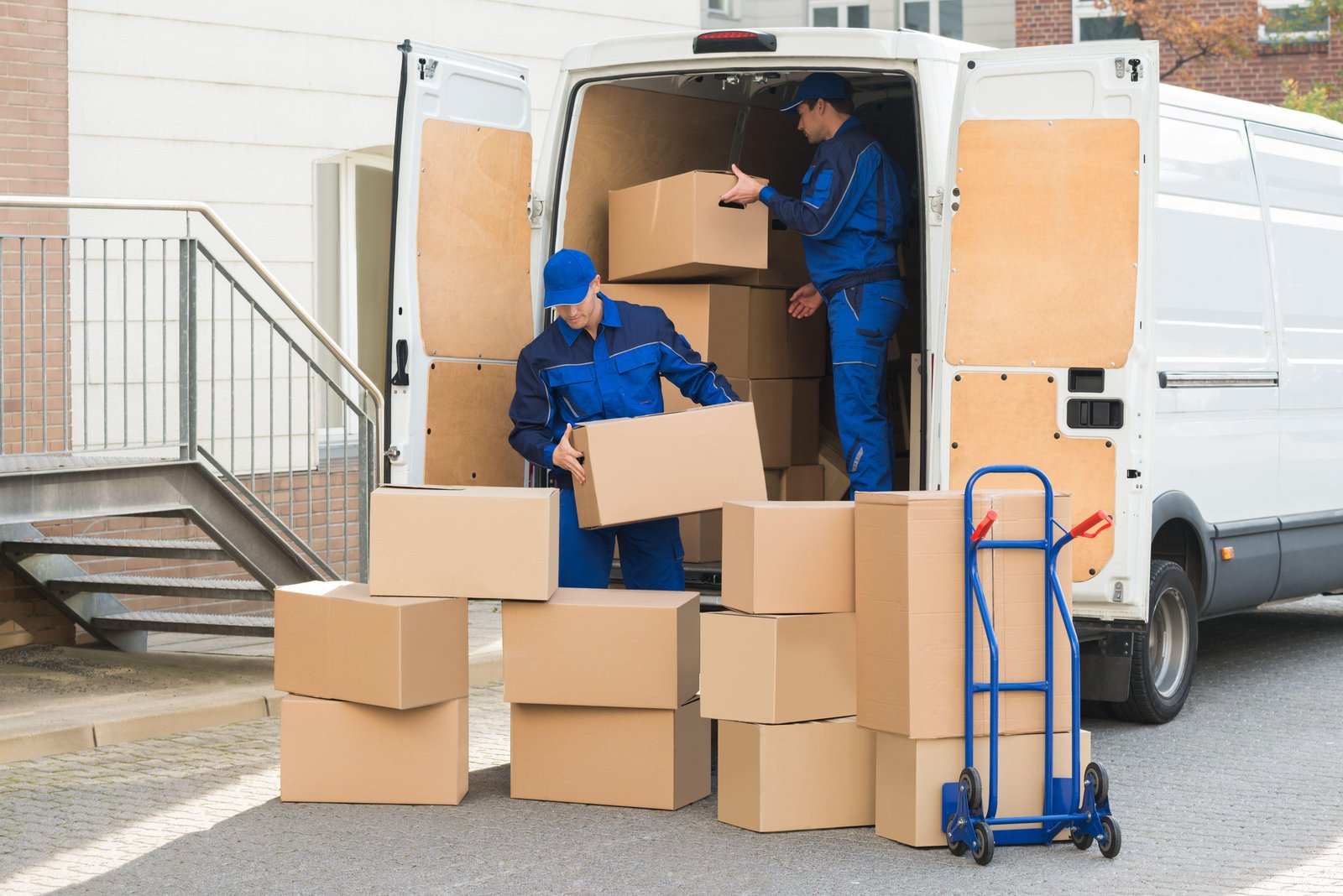

Preparing for a More Organized Move
Relocating to a new home involves many tasks, from sorting personal belongings to arranging transportation and preparing the next property. Packing can become one of the most time-consuming parts, especially when a household has furniture, appliances, fragile items, and years of accumulated possessions. A clear plan helps prevent last-minute confusion and makes it easier to keep everything organized throughout the moving process.
Understanding Your Packing Requirements
When arranging Full-Service Packing Services Batesburg-Leesville SC, consider the size of your household, the number of rooms, and the types of belongings that need attention. A smaller apartment may require fewer supplies and less preparation than a large family home. Identifying fragile, valuable, bulky, and frequently used items helps determine the amount of packing support needed and allows the work to be planned more effectively.
Sorting Belongings Before Packing
Before placing everything into boxes, take time to review household belongings. Separate items you plan to keep from things that can be donated, recycled, sold, or discarded. Reducing unnecessary possessions can lower the number of boxes and make unpacking easier. It also gives you an opportunity to identify belongings that require special handling, separate transportation, or additional protection during the move.
Choosing Appropriate Packing Materials
The right packing supplies help protect belongings during lifting, loading, and transportation. Strong cardboard boxes, packing paper, bubble wrap, furniture blankets, and suitable tape can serve different purposes. Heavier objects should generally go into smaller boxes, while lighter belongings can fit into larger containers. Using appropriate materials helps reduce shifting inside boxes and limits the risk of damage.
Protecting Fragile Household Items
Glassware, dishes, mirrors, decorative pieces, and electronics need careful preparation. Wrap delicate items individually and use cushioning to prevent direct contact between objects. Fill empty spaces inside boxes so belongings do not move excessively during transportation. Clearly mark fragile packages and explain any special handling requirements. Proper preparation can make a significant difference when boxes are carried or stacked.
Organizing Furniture and Large Belongings
Large furniture pieces often require a different approach from smaller household items. Some items may need partial disassembly to fit through doorways or make transportation easier. Keep screws, bolts, and small hardware in labeled bags so they can be found during reassembly. Protect corners, glass sections, and finished surfaces with suitable padding to reduce scratches and impact damage.
Coordinating Transportation and Packing
Choosing Reliable Moving Services Batesburg-Leesville SC can help connect packing preparations with the transportation stage. When the packing and moving arrangements are coordinated, it becomes easier to organize loading priorities, identify special handling requirements, and plan delivery at the destination. Homeowners should discuss the inventory, access conditions, estimated schedule, and any belongings that need extra attention before moving day.
Creating a Clear Labeling System
Labels help prevent boxes from becoming difficult to identify after arrival. Write the destination room and a brief description of the contents on each package. For example, kitchen boxes can be grouped separately from bedroom or bathroom belongings. Numbering boxes and keeping a basic inventory can also help track important items and identify anything that may be missing.
Keeping Essential Belongings Accessible
Some possessions should remain separate from the main shipment. Prepare a personal essentials bag with medications, toiletries, important documents, chargers, basic clothing, and items needed during the first day or two. Keep valuable personal belongings under your own supervision when possible. Having these necessities readily available prevents unnecessary searching through packed boxes after reaching the new home.
Preparing the Property for Moving Day
Both the current and destination properties should be prepared before the moving team arrives. Clear walkways, entrances, and staircases so boxes and furniture can be carried safely. Confirm parking arrangements and check whether elevators, loading areas, or building access rules need special attention. Communicating these details early can help prevent avoidable delays and make the work area safer.
Discussing Special Handling Requirements
Certain belongings may need additional preparation or specific transportation arrangements. Antiques, musical instruments, large mirrors, valuable artwork, and sensitive electronics should be identified before packing begins. Some household products, including flammable materials and chemicals, may have transportation restrictions. Ask the moving provider which items can be transported and how special belongings should be prepared.
Making Unpacking Easier at the Destination
A successful move also depends on how belongings are organized after delivery. Labeling boxes by room makes it easier to place them correctly, while keeping essential packages separate helps with immediate setup. Unpack important areas first, such as bedrooms, bathrooms, and the kitchen. A gradual approach prevents clutter from spreading throughout the new property.
Maintaining a Smooth Moving Experience
A well-organized relocation depends on preparation, communication, and careful handling. Sorting belongings early, selecting suitable packing materials, and creating a clear inventory can reduce unnecessary stress. Coordinating packing and transportation also helps keep tasks organized from beginning to end. With realistic planning and attention to detail, homeowners can protect their possessions and make the transition into a new home more manageable.


