

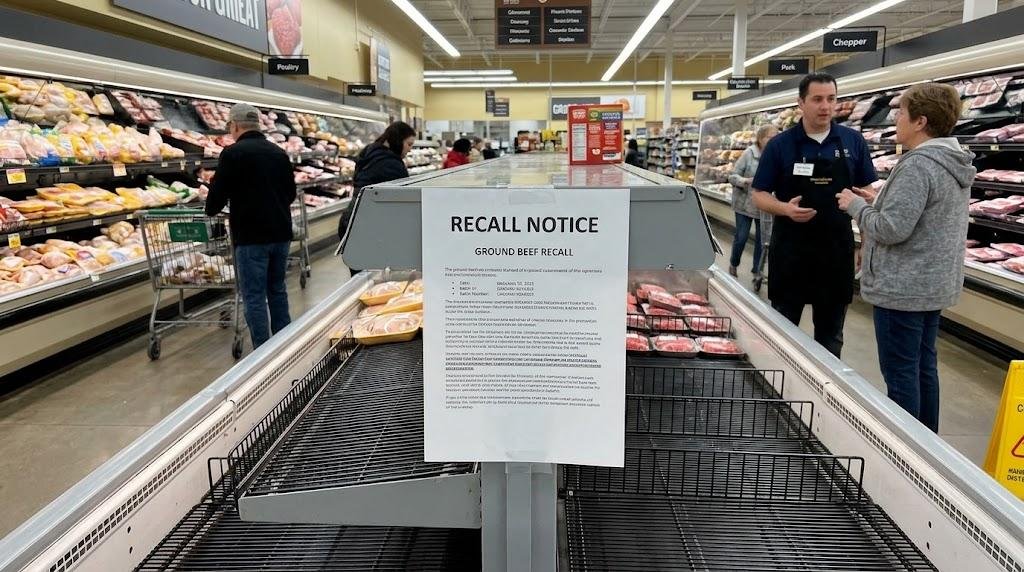

What Triggered the Latest Ground Beef Recall
If you’ve seen headlines about a ground beef recall this week, you’re not imagining it — this keeps happening, and for good reason. Most recalls start the same way: a routine inspection or a cluster of illness reports points back to one processing plant, and from there the chain reaction begins. A single contaminated batch can end up packaged under several store brands, which is exactly why a ground beef recall notice often lists multiple product names instead of just one. The company or the USDA’s Food Safety and Inspection Service identifies the lot numbers and sell-by dates involved, and the clock starts on getting that information to shoppers before more of it ends up on dinner plates.
How to Know If a Ground Beef Recall Affects You
The fastest way to check is to go straight to the source. The USDA Food Safety and Inspection Service recall page posts every active ground beef recall with photos of the packaging, the specific lot codes, and the stores where it was sold. Pull your package out of the freezer and compare it line by line — the establishment number (a code inside the USDA inspection mark), the pack date, and the UPC all matter, because not every pack of the same brand is necessarily included. If your package doesn’t match any of the listed codes, it’s not part of that particular ground beef recall, even if the brand name looks familiar.
Health Risks Behind This Ground Beef Recall
Most beef recalls come down to one of two culprits: E. coli O157:H7 or Salmonella, both of which can hide in ground beef because the grinding process mixes meat (and any contamination on its surface) from multiple animals together. According to the CDC’s guidance on E. coli infections, symptoms can include severe stomach cramps, diarrhea that may be bloody, and vomiting, usually showing up three to four days after exposure. Most healthy adults recover within a week, but young children, older adults, and anyone with a weakened immune system face a higher risk of complications. That’s the real stake behind every ground beef recall — it’s not just a paperwork issue, it’s a genuine health precaution.
What to Do If You Have Recalled Beef at Home
Don’t taste it to check, and don’t assume thorough cooking will make it safe to eat past the point of removing it from your kitchen — the safest move with any confirmed ground beef recall item is to not use it at all. Check the package against the official recall notice, and if it matches, either return it to the store for a refund or throw it away in a sealed bag so it isn’t eaten by pets or pulled out of the trash. Afterward, clean anything the package touched — the fridge shelf, counters, your hands — with hot, soapy water, since cross-contamination is how a lot of foodborne illness actually spreads at home. If you’d like a deeper walkthrough of safe handling steps beyond a single ground beef recall, our kitchen food safety guide covers cross-contamination prevention in more detail.
How to Avoid Future Ground Beef Recall Surprises
You can’t predict the next recall, but you can make yourself less vulnerable to it. Buy ground beef close to when you’ll cook it, keep your freezer at 0°F or below, and get in the habit of snapping a quick photo of the package label before you toss it — that way, if a ground beef recall is announced weeks later, you still have the lot number on hand instead of digging through the trash. Signing up for recall alerts directly from USDA FSIS means you’ll hear about a ground beef recall the same day it’s announced rather than stumbling on it in a news feed days later. For more everyday tips like this, take a look at our grocery shopping checklist, which covers more than just beef.
The Bottom Line
A ground beef recall isn’t a reason to panic, but it is a reason to pay attention. Check your packages against the official notice, don’t take chances with meat that matches a listed lot code, and build a couple of small habits — saving receipts, photographing labels — that make the next ground beef recall, whenever it happens, a five-minute check instead of a guessing game.


