


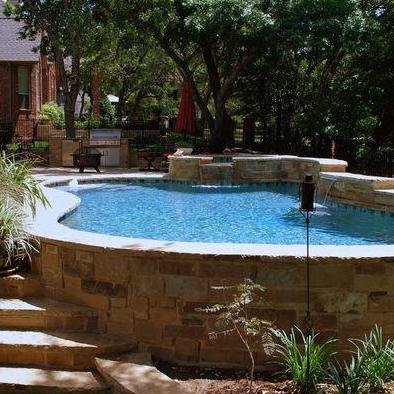
Building an infinity swimming pool involves several connected expenses. The final budget depends on the size of the pool, ground conditions, structural requirements, materials, mechanical systems, and finishing details. Unlike a standard swimming pool, an infinity design includes additional components that collect and circulate overflow water. Understanding these requirements helps property owners plan Infinity Pool Construction more accurately.
Site Conditions and Initial Assessment Costs
The first stage of budgeting involves evaluating the proposed construction area. Surveying, soil testing, and engineering assessments provide information needed to develop a suitable design.
Properties with steep slopes, difficult access, or unstable ground may require more extensive investigations.
Soil Testing and Surveying
A land survey identifies elevation differences, boundaries, existing structures, and drainage patterns. Geotechnical investigations help determine the strength and characteristics of the soil.
These services create an important foundation for estimating excavation and structural expenses.
Excavation and Site Preparation
Excavation costs depend on soil type, rock conditions, equipment access, and the amount of material that must be removed.
Hard rock may require specialized machinery, while difficult access can increase labor and equipment transportation expenses.
Additional site preparation may include temporary access roads, retaining structures, erosion controls, and stabilization measures.
Structural Engineering and Concrete Work
The structural shell is one of the most important parts of an infinity pool budget. Concrete quantities, reinforcement requirements, wall thickness, and foundation design all affect costs.
A pool built on a hillside may need retaining walls or specially engineered foundations.
Reinforcement and Concrete Quality
Steel reinforcement and concrete specifications should follow the approved structural drawings. Reducing these materials without engineering approval can create serious safety and durability problems.
Budget planning should also account for formwork, placement equipment, curing, and construction inspections.
Waterproofing and Interior Finishes
Waterproofing protects the structure from continuous water exposure. The selected system, surface preparation, application method, and detailing all influence installation expenses.
Interior finishes create another significant budget category. Glass mosaics, porcelain tiles, natural stone, and specialized plaster have different material and labor costs.
Complex patterns and curved surfaces may require additional installation time.
Overflow and Circulation Equipment
Infinity pools need a collection system for water flowing over the edge. This usually includes an overflow channel, balance tank, pumps, pipes, and filtration equipment.
The size and capacity of these components should match the pool's hydraulic design.
Automatic controls, water-level sensors, and specialized equipment may increase initial costs but can improve operational management.
Labor and Construction Time
Labor expenses depend on the project's complexity and the availability of qualified workers. Structural concrete work, waterproofing, plumbing, electrical installation, and tile finishing require different skills.
Construction schedules may also be affected by weather, material delivery, inspections, and unexpected ground conditions.
A realistic budget should account for these possible delays.
Landscaping and Surrounding Features
Pool construction costs do not end with the swimming basin. Surrounding decks, outdoor lighting, drainage channels, retaining walls, landscaping, and access paths may form part of the overall project.
These features should be planned together because changes to the surrounding area can affect drainage and structural performance.
Planning for Long-Term Expenses
An infinity pool requires regular operating expenses. Electricity powers pumps and filtration systems, while water treatment products help maintain appropriate water quality.
Other recurring costs may include filter cleaning, pump servicing, replacement parts, tile repairs, and periodic waterproofing inspections.
Creating a Practical Contingency Budget
A contingency allowance helps cover unexpected conditions discovered during excavation or construction. The appropriate amount depends on the project's complexity and the level of uncertainty in the initial assessment.
Keeping the allowance separate from the planned construction budget makes financial management easier.
Conclusion
The cost of Infinity Pool Construction depends on much more than the pool's dimensions. Site investigations, engineering, excavation, concrete, waterproofing, overflow equipment, labor, and maintenance all influence the overall investment. For elevated properties, consulting a knowledgeable Hillside Pool Builder can help identify site-specific costs before construction begins.


