

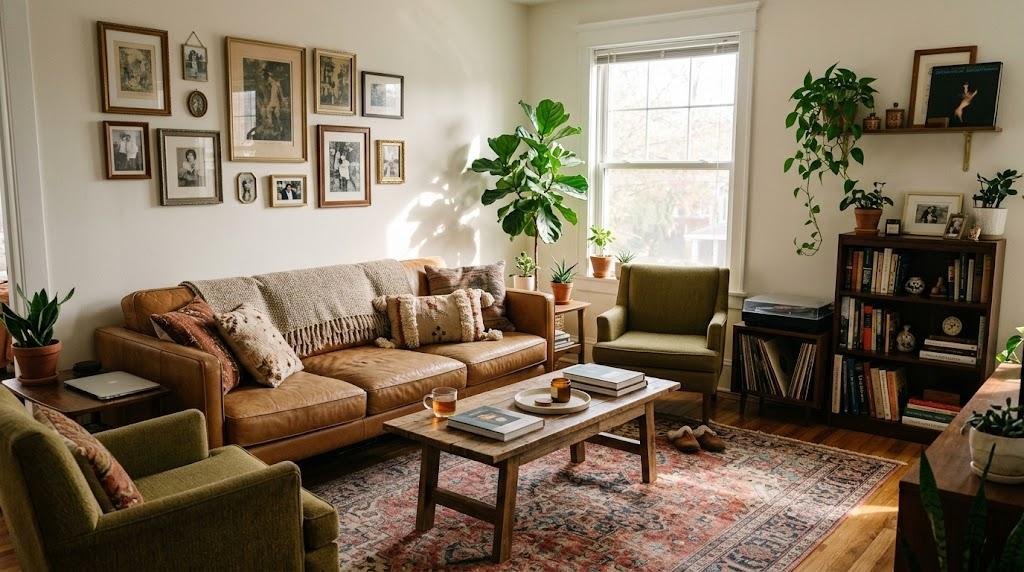

Why Home Decor Matters More Than You Think
Home decor is often treated as an afterthought — something you deal with once the “real” work of moving in is done. But the truth is, home decor shapes how you feel every single day. The colors on your walls, the way light falls across a room, the textures under your feet — all of it quietly affects your mood, your energy, and even how well you sleep. Good home decor isn’t about chasing trends; it’s about creating a space that actually supports the life you’re living in it.
If you’ve ever walked into a beautifully decorated room and felt instantly calmer, that wasn’t an accident. Thoughtful home decor choices work on a psychological level, which is why interior designers spend so much time thinking about flow, balance, and texture rather than just “what looks nice.”
Starting With a Home Decor Plan, Not a Shopping List
One of the biggest mistakes people make with home decor is starting with purchases instead of a plan. It’s tempting to scroll through a home decor store and buy whatever catches your eye, but without a clear direction, those pieces rarely work together.
Before you buy anything, take a slow walk through your space and ask what you actually need it to do. A home office needs focus and minimal visual clutter. A living room needs warmth and comfort. A bedroom needs calm. Once you know the function, your home decor choices become much easier — you’re no longer guessing, you’re solving a specific problem.
It also helps to pick one anchor piece per room — a rug, a piece of art, or even a bold paint color — and build your home decor around it. This keeps the room cohesive instead of feeling like a collection of random finds.
Color Choices That Change the Feel of a Room
Color is probably the single most powerful tool in home decor, and it’s also the cheapest to experiment with. A can of paint can transform a room more dramatically than almost any piece of furniture.
Warm tones like terracotta, mustard, and soft browns tend to make a space feel cozy and inviting — great for living rooms and dining areas. Cooler tones like sage green, dusty blue, and soft gray create a calmer, more restful feeling, which works well in bedrooms and bathrooms. If you’re nervous about committing to color, start small: a single accent wall, a set of cushions, or curtains are low-risk ways to bring new color into your home decor without repainting everything.
According to Better Homes & Gardens, testing paint colors at different times of day is essential, since natural and artificial light can shift a shade dramatically. It’s a small step that saves a lot of regret later.
Mixing Textures for a Layered Home Decor Look
Flat, single-texture rooms often feel unfinished, even when the color scheme is right. Good home decor almost always involves layering — combining smooth, rough, soft, and reflective surfaces so the eye has somewhere interesting to land.
Think of a leather armchair next to a knitted throw, or a glass coffee table paired with a jute rug. These contrasts are what make a room feel designed rather than assembled. You don’t need to buy new furniture to achieve this; adding a textured cushion cover, a woven basket, or even a wooden tray can instantly upgrade the feel of your home decor.
Layering also applies to lighting. A single overhead light flattens a room, while a mix of floor lamps, table lamps, and candles adds depth and warmth — a trick used constantly in professional home decor photography.
Budget-Friendly Home Decor Swaps
You don’t need a large budget to make a real difference in your home decor. Some of the most effective updates are also the cheapest.
Rearranging furniture costs nothing and can completely change how a room feels and functions. Swapping hardware on cabinets and drawers is a small, affordable home decor update that makes furniture look newer. Decluttering surfaces instantly makes any room feel more polished, even before you add anything new. Houseplants bring life and color into a space for very little money, and they soften hard edges in a way that’s hard to replicate with objects alone.
If you want more structured guidance on budgeting a home decor project, The Spruce has a detailed breakdown of where to spend and where to save, which is a useful reference before you start buying.
Personal Touches That Make Home Decor Feel Like You
The difference between a showroom and a home is personality. The best home decor always includes something personal — a photo, a travel souvenir, a handmade item, or art that actually means something to you, rather than décor chosen purely because it matches.
Display items in groups rather than scattering them randomly; a cluster of three to five objects on a shelf reads as intentional, while single scattered items can look like clutter. Rotate smaller decor pieces seasonally to keep a space feeling fresh without buying anything new. Your home decor should tell a small story about your life, not just follow whatever is popular that year.
For more room-specific inspiration, check out our guide to decorating small spaces and our favorite budget decor finds under $50 on the blog.
Bringing It All Together
Great home decor isn’t about perfection — it’s about intention. Start with a plan, choose colors that match the mood you want, layer in texture and lighting, keep an eye on your budget, and finish with personal touches that make the space unmistakably yours. Do that, and your home decor will feel less like a design project and more like an honest reflection of how you actually want to live.


