


If you’ve ever eaten at a Middle Eastern restaurant and noticed a rusty-red sprinkle on your hummus or grilled chicken, you’ve probably already tasted sumac. It’s one of those ingredients that quietly makes food taste brighter without anyone being able to pinpoint why. Once you start cooking with sumac, it’s hard to imagine your spice rack without it.
What Exactly Is Sumac?
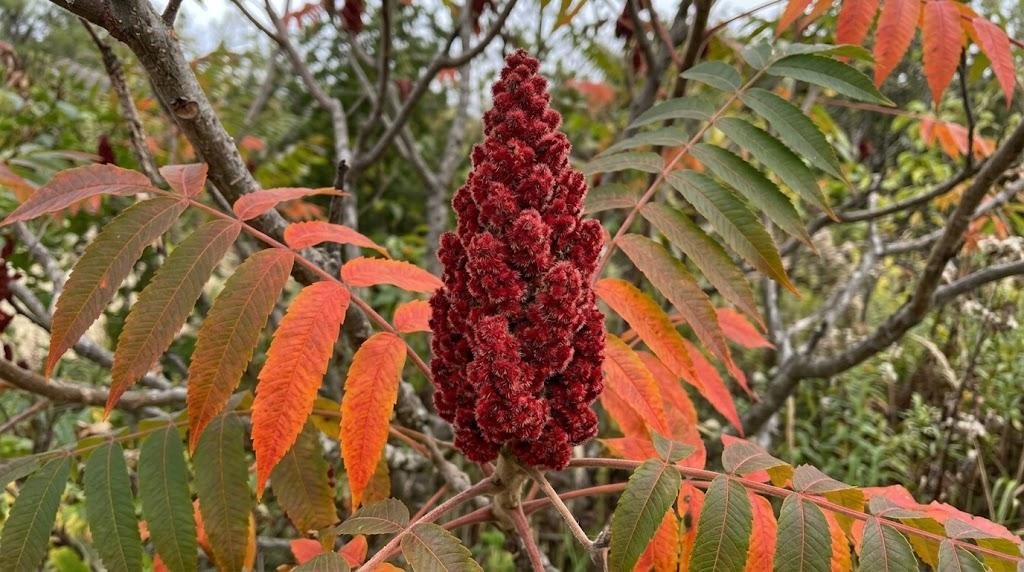
Sumac comes from the dried and ground berries of the Rhus coriaria shrub, which grows wild across the Mediterranean, the Middle East, and parts of North America. The berries are harvested, dried, and crushed into a coarse, deep-red powder. According to Wikipedia’s entry on sumac, the plant has been used for centuries not just as a spice but also for dyeing fabric and tanning leather.
It’s worth clearing up a common worry here: the edible sumac used in cooking is a completely different plant from poison sumac, which has white berries rather than red ones. Culinary sumac is entirely safe and, in fact, has a long history in traditional medicine as well as cooking.
What Does Sumac Taste Like?
This is the question most people ask before they try it, and it’s a fair one. Sumac has a tart, lemony flavor without any of the wetness that comes from actual lemon juice. Think of it as citrus in powder form, with a faint earthy, almost fruity undertone. That dry tartness is exactly what makes sumac so versatile — you get the acidity a dish needs without adding liquid or dramatically changing its texture.
Because the flavor is so bright, a little sumac goes a long way. Most recipes call for just a teaspoon or two, sprinkled on at the end of cooking rather than mixed in early, since heat can mute its tang.
How People Actually Use Sumac in Cooking
In Middle Eastern cooking, sumac is a staple rather than a novelty. It’s one of the key components in za’atar, the popular spice blend that also includes thyme, sesame seeds, and salt. Serious Eats has a great breakdown of za’atar and how sumac fits into it if you want to see it in context.
Beyond za’atar, sumac shows up on fattoush salad, grilled meats, roasted vegetables, hummus, and rice dishes like mujadara. A finishing sprinkle of sumac over roasted potatoes or a bowl of yogurt can completely change how a simple dish tastes. Some people even stir it into salad dressings or marinades in place of lemon juice, since it adds acidity without watering things down.
If you’re new to cooking with it, start simple: sprinkle sumac over avocado toast, scrambled eggs, or a basic cucumber-tomato salad. You’ll notice the tang almost immediately, and it’s a good way to get a feel for how much you personally like.
Is Sumac Good for You?
Beyond flavor, sumac has picked up attention for its nutritional profile. It’s rich in antioxidants called polyphenols, and some early research has looked at its potential role in supporting healthy blood sugar levels and reducing inflammation. Healthline’s overview of sumac’s health benefits goes into more detail on the current research, though it’s worth noting that most studies so far are small, so sumac shouldn’t be treated as a substitute for medical advice or treatment.
That said, as part of a varied diet, sumac is a low-calorie, flavor-packed way to cut back on salt. Because it delivers so much brightness on its own, you often need less added salt in a dish once sumac is in the mix.
Buying and Storing Sumac
When shopping for sumac, look for a deep burgundy color rather than a dull brown — color is usually a decent indicator of freshness. You’ll find it at Middle Eastern grocery stores, specialty spice shops, and increasingly in the international aisle of larger supermarkets. Ground sumac is the most common form, though whole dried berries are also sold if you prefer to grind your own.
Store sumac the way you would any ground spice: in an airtight container, away from direct light and heat. Kept properly, it should hold its flavor for about a year, though like most spices, it will gradually lose potency rather than spoil outright.
Can You Grow Sumac Yourself?
If you’re a gardener, you might be surprised to learn that sumac isn’t exotic at all — several species are native to North America and grow as ornamental shrubs valued for their fiery fall foliage. Staghorn sumac, in particular, is common in home landscaping. The Old Farmer’s Almanac has a helpful growing guide if you’re curious about cultivating it yourself, including how to identify the edible varieties safely.
Growing your own sumac means you can harvest the berry clusters in late summer, dry them, and grind your own spice at home — a satisfying project if you enjoy growing what you cook with.
What Can You Substitute for Sumac?
If a recipe calls for sumac and you don’t have any on hand, a mix of lemon zest and a pinch of salt is the closest substitute, though it won’t fully replicate that dry, tangy depth. Some cooks also reach for amchur (dried mango powder), which has a similar tart quality, though the flavor profile leans slightly different. Still, if you can find real sumac, it’s worth seeking out rather than relying on substitutes long-term — the flavor really is distinct.
Bringing Sumac Into Your Everyday Cooking
Once sumac earns a permanent spot in your spice rack, you’ll likely find yourself reaching for it more than expected. It’s an easy way to add brightness to roasted vegetables, grain bowls, dips, and grilled dishes without reaching for more salt or acid. Whether you buy it ready-ground or grow your own, sumac is one of those ingredients that rewards a little experimentation — a pinch here and there is often all it takes to notice the difference.


