

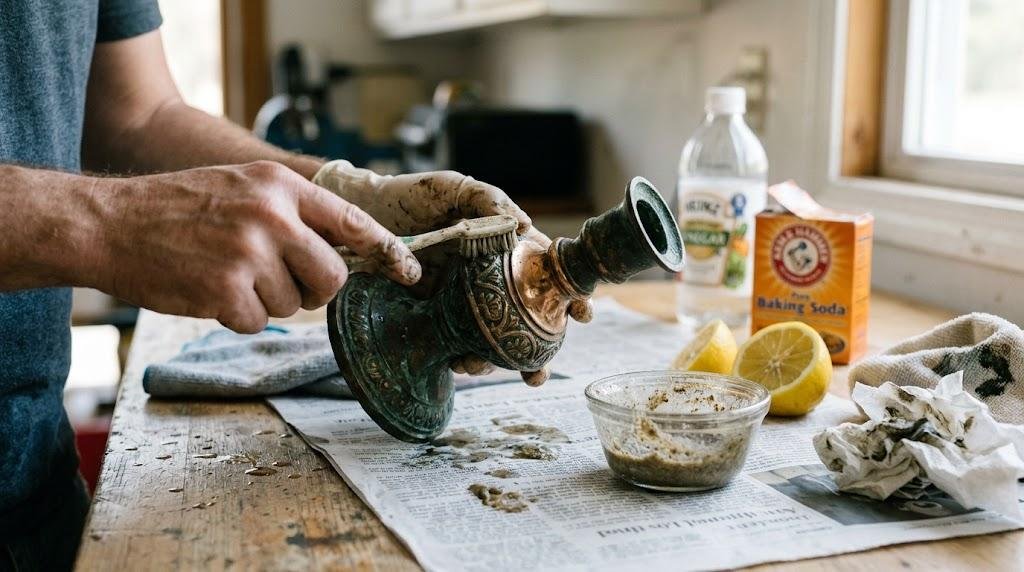

Bronze has a way of aging beautifully, but that doesn’t mean it should be ignored. If you’ve ever wondered how to clean bronze without stripping away its warm color or scratching its surface, you’re not alone. Bronze items pick up dust, fingerprints, and a dull film over time, and knowing how to clean bronze properly keeps them looking their best for years without ruining the finish underneath.
How to Clean Bronze: Understanding the Patina First
Before you reach for a cloth, it helps to understand what you’re actually cleaning. That greenish-brown or dark coating on bronze is called a patina, and it forms naturally as the metal reacts with air and moisture. Many collectors and conservators actually want to keep this layer, since it protects the metal underneath and gives bronze its character. So the real goal of how to clean bronze isn’t to make it look brand new — it’s to remove dirt and grime while leaving the patina intact.
What You Need Before You Start
Learning how to clean bronze the gentle way starts with gathering the right supplies. You’ll want a soft, lint-free cloth, mild dish soap, distilled water, a soft-bristled brush (an old toothbrush works fine), and cotton swabs for tight corners. Avoid anything abrasive, like steel wool or scouring pads, since these can scratch the surface permanently. If the piece is valuable, old, or has sentimental worth, it’s worth checking a conservation resource such as the Smithsonian’s guide to caring for metals before doing anything beyond basic dusting.
How to Clean Bronze Step by Step
Once you have your supplies, the actual process of how to clean bronze is straightforward. Start by dusting the piece with a dry, soft cloth to remove loose dirt. Next, mix a few drops of mild dish soap into a bowl of warm distilled water. Dip your cloth or brush into the solution, wring out most of the moisture, and gently wipe the bronze in small circular motions. Rinse by wiping again with a cloth dampened in plain distilled water, then dry immediately and thoroughly with a clean towel. Leaving bronze wet, even briefly, can encourage new corrosion, so drying fully is one of the most important parts of how to clean bronze safely.
How to Clean Bronze Without Damaging the Patina
If your main concern is preserving that aged look, stick to the mildest approach possible. Skip vinegar, lemon juice, ketchup, and other acidic home remedies you may have seen online — these strip the patina quickly and can leave blotchy, uneven coloring behind. Real conservators who know how to clean bronze professionally almost always start with the gentlest method and only escalate if absolutely necessary. For most household items, soap and water handle 90 percent of the job without any risk at all.
Common Mistakes People Make
A lot of damage happens because people try to make bronze shiny again, mistaking the natural patina for tarnish that needs removing. Scrubbing too hard, using metal polish meant for silver or brass, or soaking a piece for too long are the most common mistakes. Another frequent error is cleaning outdoor bronze the same way as an indoor decorative piece — the two need very different care. Understanding how to clean bronze properly means matching your method to the object, not applying one approach to everything you own.
How to Clean Bronze Statues and Outdoor Fixtures
Outdoor bronze, like garden statues, door hardware, or architectural details, faces rain, pollution, and temperature swings that indoor pieces never see. For these, the process of how to clean bronze starts the same way — mild soap, water, soft brushing — but finishes differently. After cleaning and drying, many owners apply a thin coat of microcrystalline wax or a museum-grade protective wax to slow down future weathering. This step isn’t strictly necessary indoors, but for anything exposed to the elements, it makes a real difference in how often you’ll need to repeat the cleaning process.
Final Thoughts on How to Clean Bronze
At the end of the day, how to clean bronze comes down to patience and restraint. Mild soap, soft tools, careful drying, and resisting the urge to scrub away the patina will keep almost any bronze item looking its best. Whether it’s a small figurine on a shelf or a statue in the garden, the same gentle principles apply. When in doubt, clean less aggressively than you think you need to, and when a piece is particularly old or valuable, it’s always worth consulting a professional conservator rather than experimenting on your own.


