


Understanding Sudden Starting Problems
A vehicle that refuses to start can interrupt an ordinary day and leave drivers unsure about what to do next. Sometimes the cause is a weak battery, while other situations involve electrical connections or other mechanical issues. Recognizing the possible signs can help drivers make sensible decisions, avoid unnecessary risks, and determine whether roadside assistance is the right solution.
Recognizing When a Battery Needs Assistance
When a battery loses enough power to operate the starter, the engine may struggle to turn over or fail to start completely. Vehicle Jump Start Service Baltimore MD can help drivers dealing with this situation by providing assistance when a vehicle needs an external power source. Common warning signs include dim headlights, clicking sounds, slow engine cranking, and dashboard lights that behave unusually.
Why Batteries Lose Their Charge
Car batteries can become discharged for several reasons. Leaving headlights, interior lights, or electronic accessories running while the engine is off may drain available power. Cold or extremely hot weather can also affect battery performance, while older batteries may gradually lose their ability to hold a charge. Identifying the likely cause helps drivers understand whether a jump-start may solve the immediate problem.
Staying Safe Before Assistance Arrives
Safety should always come first when a vehicle stops working. Drivers should move away from moving traffic whenever possible and use hazard lights to make the vehicle more visible. If the car is in an unsafe position, getting professional help is preferable to attempting repairs beside traffic. Drivers should also avoid touching damaged battery cables or attempting a jump-start when the battery appears cracked, swollen, or leaking.
Understanding the Jump-Starting Process
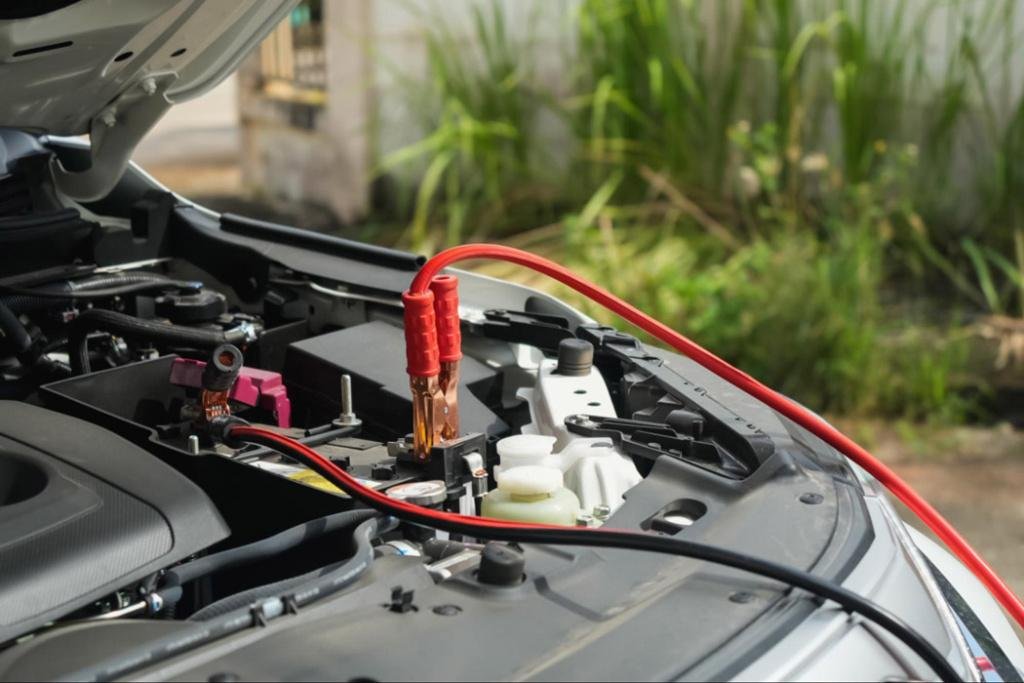
Jump-starting uses an external power source to provide enough electricity for a discharged battery to start the engine. The process requires compatible equipment and careful attention to the vehicle manufacturer's instructions. Incorrect connections can damage electrical components or create sparks. Drivers who are unfamiliar with battery terminals and proper procedures should avoid experimenting and allow someone with the right knowledge and equipment to handle the task.
Choosing Appropriate Roadside Assistance
Roadside Services Baltimore MD can be useful when a vehicle becomes disabled away from home or when a driver cannot safely resolve a problem independently. Available assistance may depend on the provider, vehicle condition, and location. Before requesting help, drivers should explain what happened, describe any warning signs, and share the vehicle's make and model so the appropriate equipment and support can be arranged.
What Information to Provide
Clear information helps make roadside assistance more efficient. Drivers should provide their exact location, vehicle type, and a brief description of the problem. Mentioning whether the engine makes a clicking noise, turns slowly, or remains completely silent can help explain the situation. It is also useful to report unusual smells, visible battery damage, or electrical issues so the responder understands any potential safety concerns.
When a Jump-Start Is Not Enough
A successful jump-start does not always mean the underlying issue has been resolved. If the vehicle starts but later struggles again, the battery may be unable to retain a charge. Problems involving the alternator, starter motor, wiring, or charging system can also cause repeated starting difficulties. Drivers should arrange a proper inspection when symptoms continue rather than relying on repeated jump-starts.
Taking Care of the Battery
Regular battery maintenance can reduce the likelihood of unexpected starting trouble. Drivers should look for corrosion around the terminals, check that connections remain secure, and follow the manufacturer's recommendations for battery testing. Keeping the battery clean and having its condition assessed during routine vehicle maintenance can help identify deterioration before it causes a breakdown. Batteries that are old or unreliable may need replacement.
Preparing for Unexpected Breakdowns
A little preparation can make vehicle problems easier to manage. Keeping a charged phone, emergency contact information, and basic safety supplies in the vehicle can be helpful. Drivers may also want to review their roadside assistance arrangements before an emergency occurs. Understanding what support is available and how to request it can reduce confusion when a vehicle stops working unexpectedly.
Avoiding Common Jump-Starting Mistakes
Drivers should never assume that every vehicle uses the same battery arrangement or jump-starting procedure. Hybrid and electric vehicles may have different requirements, and some models have designated connection points. Connecting equipment incorrectly, ignoring manufacturer instructions, or using damaged cables can create additional problems. Checking the owner's manual and seeking qualified assistance are safer choices when the correct procedure is uncertain.
Knowing When to Seek Further Inspection
If a vehicle repeatedly needs external power, the problem deserves attention beyond a temporary start. A professional inspection can help determine whether the battery, charging system, or another component needs repair. Drivers should also pay attention to dashboard warnings and changes in electrical performance. Addressing recurring symptoms early may prevent a more inconvenient breakdown and help maintain dependable vehicle operation.
Keeping Every Trip More Predictable
Unexpected battery trouble can happen even when a vehicle receives regular care. Understanding warning signs, following safe procedures, and knowing when to request assistance can make these situations easier to handle. Routine maintenance and prompt attention to recurring problems also support reliable transportation. With sensible preparation, drivers can respond more confidently when their vehicle will not start and make informed decisions about the next step.


