


Creating a Functional and Comfortable Kitchen
A dependable stove is an important part of a functional kitchen. It supports everyday meal preparation, from quick breakfasts to larger family dinners. When an existing unit becomes unreliable or a kitchen is being updated, choosing and installing the right appliance can make cooking more convenient. Proper planning also helps ensure the new equipment fits the available space and meets household needs.
Planning for a Suitable Appliance
Homeowners researching Stove System Installation Services Cooper City FL should consider the kitchen layout, available space, cooking habits, and appliance requirements before selecting a unit. Stoves come in different sizes, styles, and fuel types, so comparing these details can help narrow down suitable options. A model should fit the designated area while allowing enough clearance for doors, cabinets, and nearby surfaces.
Comparing Gas and Electric Options
Gas and electric stoves offer different features and installation requirements. Gas models use a fuel connection and may appeal to homeowners who prefer adjustable flame control. Electric models generally rely on a dedicated electrical connection and are available in several cooking surface designs. The best choice depends on the kitchen's existing setup, household preferences, energy considerations, and the manufacturer's specifications.
Checking the Installation Area
Before a new stove is installed, the surrounding area should be inspected carefully. Measurements help confirm that the appliance will fit without blocking cabinets, walkways, or other kitchen equipment. The floor should provide stable support, and nearby surfaces should meet the required clearance guidelines. Checking these details beforehand can prevent fitting problems and reduce the need for last-minute adjustments.
Understanding Connection Requirements
A stove must be connected according to its specific design and manufacturer instructions. Gas appliances require appropriate fuel connections, while electric units may need a compatible outlet or dedicated circuit. These connections should be evaluated by qualified professionals before installation. Attempting to modify gas lines or electrical wiring without proper training can create serious safety risks and should be avoided.
The Importance of Professional Installation
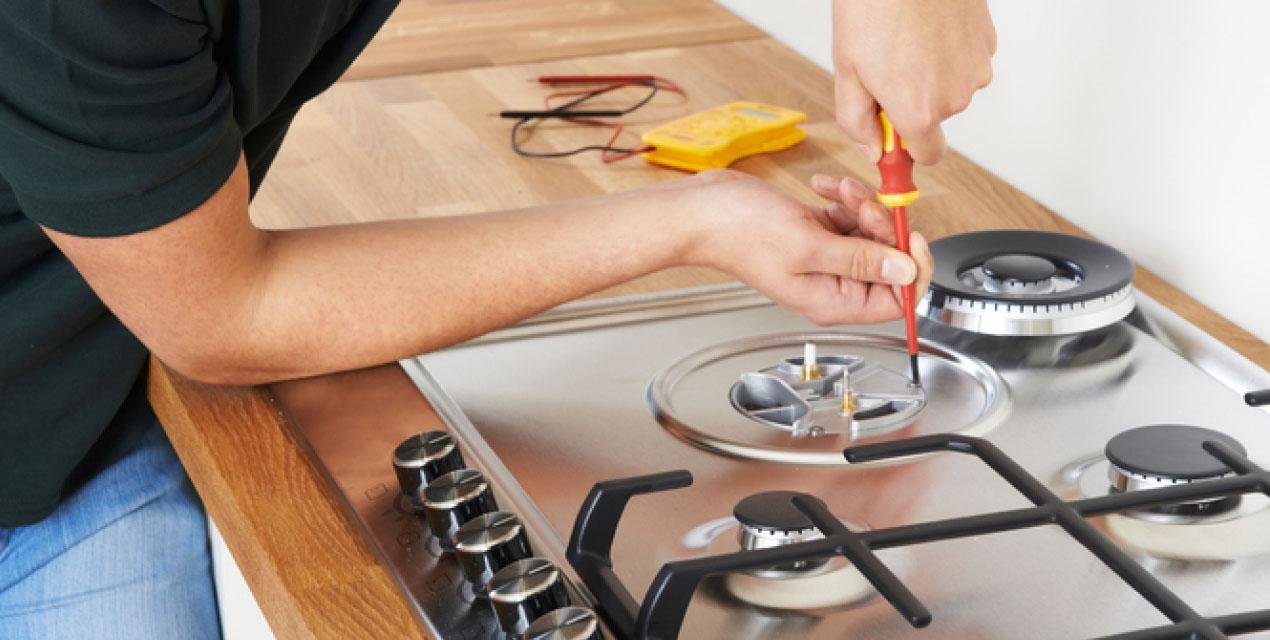
Choosing a dependable Appliance Repair Company can also help homeowners understand installation requirements and appliance performance concerns. Qualified professionals can inspect the existing setup, identify compatibility issues, and explain the work needed for a suitable installation. Their experience may also help when an appliance needs adjustments, troubleshooting, or attention after being connected and tested.
Preparing the Kitchen for Installation
A little preparation can make the installation process smoother. Homeowners should remove cookware, small appliances, and other items from the work area. The existing stove should be accessible, and nearby countertops or flooring should be cleared of unnecessary objects. If an old appliance needs removal, arrangements should be made to handle it safely and follow any applicable disposal requirements.
Testing the Stove After Setup
Once installation is complete, the appliance should be checked according to the manufacturer's instructions. Professionals may verify that controls respond properly, burners operate as expected, and the unit sits level. Gas models require appropriate leak checks, while electric models should be evaluated for correct electrical operation. Testing helps identify connection or performance concerns before the stove is used for regular cooking.
Recognizing Common Stove Problems
Even a properly installed stove can develop problems over time. Burners may fail to heat, temperature controls may become inaccurate, and electronic displays may stop responding. Gas burners can also experience ignition issues, while electric cooking elements may wear out with regular use. Recognizing these symptoms early helps homeowners arrange an inspection before a minor fault affects the entire appliance.
Maintaining Safe Cooking Equipment
Regular care can support better appliance performance and reduce avoidable wear. Homeowners should clean cooking surfaces using products recommended for the specific model and avoid allowing food residue to build up around burners or controls. Ventilation areas should remain clear, and damaged knobs, cords, or other components should be addressed promptly. Following the owner's manual is important for routine maintenance.
Knowing When Repairs Are Necessary
Unusual smells, repeated ignition failures, inconsistent heating, and unexpected shutdowns should not be ignored. If a gas stove produces a gas odor, homeowners should avoid operating electrical switches or creating flames, leave the area, and contact the gas utility or emergency services from a safe location. For other faults, a qualified technician can inspect the appliance and recommend appropriate repairs.
Getting Long-Term Value From Your Stove
A reliable stove depends on more than the appliance itself. Correct sizing, compatible connections, careful installation, and routine maintenance all contribute to dependable operation. Homeowners should compare available models, understand their kitchen requirements, and seek professional help when specialized work is necessary. These steps can make everyday cooking more convenient while helping the appliance remain useful for years.


