

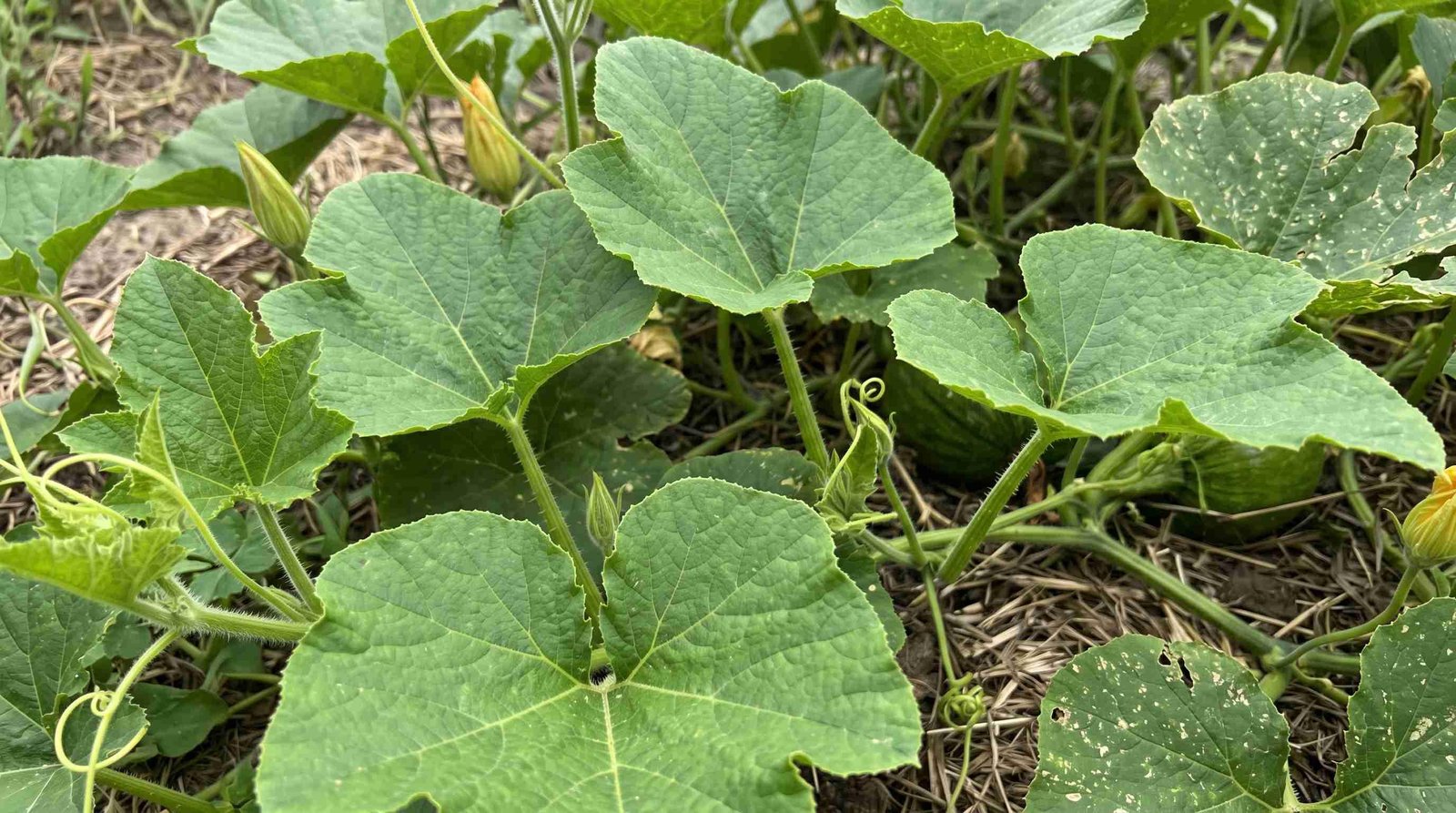

If you grow pumpkins in your garden, you already have a hidden harvest growing right next to the vines. Pumpkin leaves are the broad, slightly fuzzy leaves that spread out as the plant climbs or sprawls across the ground. Most gardeners toss them aside once the fruit ripens, but in many parts of the world, pumpkin leaves are a prized vegetable in their own right. They have a mild, slightly earthy flavor that softens nicely when cooked, somewhat like spinach or collard greens. Once you try pumpkin leaves yourself, you may wonder why they aren’t more common on dinner tables everywhere.
If you’re curious about other parts of the garden you might be overlooking, our guide to edible garden vegetables covers several more.
Are Pumpkin Leaves Safe to Eat?
Yes, pumpkin leaves are completely safe to eat as long as they come from a true pumpkin or squash plant and not an ornamental gourd, which can taste bitter and cause stomach upset. Young, tender pumpkin leaves work best for cooking, since older leaves turn tough and fibrous. Before eating pumpkin leaves, strip away the thin, hairy outer skin on the stems, much like you would with celery. This step removes most of the prickly texture and makes the leaves far more pleasant to chew. Many home cooks skip this step the first time and end up disappointed, so don’t rush it.
Nutritional Benefits of Pumpkin Leaves
Pumpkin leaves pack a surprising amount of nutrition into every serving. They’re a good source of vitamin A, vitamin C, iron, and calcium, and they contain fiber that supports healthy digestion. Pumpkin leaves also provide plant-based protein, which makes them a useful addition to vegetarian and vegan meals. According to Healthline’s overview of pumpkin nutrition, the entire pumpkin plant, including its leaves, offers a range of antioxidants that may help reduce inflammation. Because pumpkin leaves are low in calories but rich in nutrients, they’re an easy way to add more vegetables to your diet without much effort.
How to Harvest and Prepare Pumpkin Leaves
Harvesting pumpkin leaves is simple once you know what to look for. Choose younger leaves near the growing tip of the vine, since these are more tender than older leaves lower down. Cut the stem a few inches below the leaf, then rinse everything under cool water to remove dirt and garden debris. Next, peel the fuzzy outer layer from the stems and the thick central veins on the underside of the leaves. This part takes a few extra minutes, but it makes a real difference in texture. Once peeled, chop the pumpkin leaves and stems into smaller pieces so they cook evenly.
Simple Ways to Cook Pumpkin Leaves
Pumpkin leaves show up in kitchens around the world, often in soups, stews, and stir-fries. In many African and Southeast Asian dishes, cooks simmer pumpkin leaves with onions, garlic, and tomatoes until they soften into a tender, flavorful side dish. You can also sauté pumpkin leaves quickly in oil with a pinch of salt for a fast weeknight vegetable. Some people blanch pumpkin leaves briefly before adding them to soups, which helps mellow any bitterness and keeps the color bright. However you prepare them, pumpkin leaves pair well with garlic, chili, coconut milk, and peanut-based sauces.
For more ideas on using vegetables you might normally throw away, check out our guide to reducing kitchen food waste.
Tips for Growing Pumpkin Leaves at Home
If you’re already growing pumpkins, you don’t need to do anything special to get a supply of pumpkin leaves — just harvest a few as the plant grows, rather than waiting until the end of the season. Picking a handful of pumpkin leaves here and there won’t harm the plant or reduce your pumpkin yield, as long as you avoid stripping too many leaves at once. For the best flavor, harvest pumpkin leaves in the morning while they’re still crisp from overnight moisture. Gardeners who want a steady supply might even plant a few extra pumpkin vines purely for the leaves, since they regrow quickly through the growing season.
Final Thoughts on Pumpkin Leaves
Pumpkin leaves are proof that some of the best vegetables are hiding in plain sight. They’re nutritious, easy to prepare, and far more versatile than most people realize. Whether you’re growing your own pumpkins or picking some up at a local market, give pumpkin leaves a try the next time you want to add something new and healthy to your table.


