

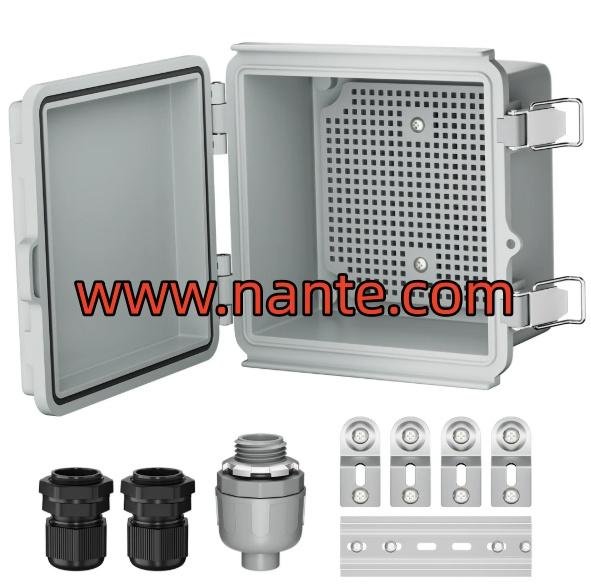

Industrial electrical installations require carefully coordinated components to manage power access and reduce operational risks. An Interlock Switch Mechanical Interlock Socket Box from Nante combines socket connectivity with a mechanical interlocking arrangement, providing a structured solution for applications where connection and switching operations need to follow a controlled sequence. Its integrated design supports more deliberate electrical operation while helping facility managers organize power access around specific equipment requirements.
In industrial environments, electrical outlets are frequently used to supply machinery, portable equipment, and maintenance tools. However, simply providing a connection point is not always sufficient. Certain applications require additional measures to prevent inappropriate switching sequences or unintended access to electrical power. Mechanical interlocking offers a practical way to coordinate the relationship between a socket and its associated switching mechanism.
The mechanical arrangement is designed to make specific operations dependent on the position of the switching components. Depending on the product configuration, the interlocking mechanism can prevent plug insertion or removal under designated electrical conditions. This helps establish a more controlled connection procedure and encourages users to follow the intended operating sequence.
Such functionality can be valuable in manufacturing workshops, industrial processing areas, equipment maintenance stations, and other facilities where electrical connections require additional operational control. When machinery needs to be isolated before maintenance or when power connections must follow an established procedure, an appropriately selected interlocking arrangement can contribute to a more organized working process.
The enclosure itself also deserves careful consideration. Industrial electrical equipment may encounter dust, moisture, vibration, and mechanical impacts during everyday operation. Housing materials, structural strength, sealing arrangements, and mounting methods should therefore be selected according to the installation environment. An appropriate protection classification helps determine whether the enclosure is suitable for its intended location.
Socket compatibility is another essential purchasing consideration. Different machines and electrical systems may require specific plug configurations, rated capacities, and connection arrangements. Buyers should carefully review voltage and current ratings, pole configurations, grounding requirements, and relevant electrical standards before selecting a product.
The mechanical interlock should also correspond with the intended operating procedure. Its movement, locking arrangement, and switching characteristics need to be compatible with the connected electrical equipment. Clear operating instructions can help users understand the correct sequence and reduce confusion during routine operation.
Installation planning plays an important role in achieving the intended functionality. The mounting position should provide convenient access while allowing sufficient space for cable entry and connection work. Installers should also consider the relationship between the enclosure, surrounding machinery, and other electrical equipment to prevent interference during operation.
Regular inspection and maintenance are equally important. Qualified technicians should examine the mechanical components, switching mechanism, electrical contacts, and enclosure condition according to the manufacturer's recommendations. Keeping the assembly clean and ensuring that moving parts operate as intended can support continued functionality throughout its service life.
For industrial purchasers, supplier capabilities should be considered alongside product specifications. Manufacturing experience, configuration options, technical documentation, quality management, and communication support can all influence purchasing decisions. A supplier that understands industrial connection requirements can help customers evaluate suitable arrangements for different applications.
Electrical safety is not created by a single component. It develops through thoughtful equipment selection, correct installation, clear operating procedures, and consistent maintenance. If your next project requires a more controlled approach to industrial power connections, visit https://www.nante.com/product/ . Browse the available electrical solutions and see how a carefully designed connection system could bring greater structure to your facility's daily operations.


