

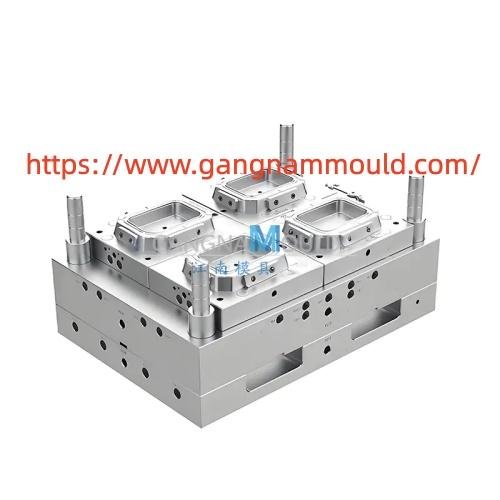

Agricultural work involves constant movement, organization, and the handling of different materials. From collecting vegetables to transporting harvested crops and organizing supplies, workers depend on practical equipment that fits naturally into their daily routines. Buck Basket Injection Mould development is closely related to these needs, as manufacturers must consider carrying convenience, structural design, material selection, and ease of cleaning when creating products for agricultural environments.
Harvesting activities can vary significantly between farms. Some workers collect leafy vegetables, while others handle fruits, root crops, gardening supplies, or small tools. Different tasks create different expectations for container design. A suitable product should accommodate its intended contents while remaining convenient to carry, position, and empty. Understanding the working environment is therefore an important starting point for product development.
One detail that deserves attention is the relationship between container shape and carrying comfort. Agricultural workers may need to move filled containers across fields, greenhouses, storage areas, or packing locations. Handle positioning, grip design, edge treatment, and overall balance can influence how comfortable a product feels during repeated use. Designers should consider the way people naturally lift and carry containers rather than focusing only on external appearance.
Ventilation is another useful design consideration. Certain harvested products benefit from airflow during temporary storage and transportation. Open structures or carefully arranged side openings can support air circulation while allowing users to see the contents. However, opening patterns should be considered in relation to the size and type of materials being handled. A design intended for delicate produce may require different structural considerations from one used for heavier agricultural supplies.
Material selection also influences everyday usability. Plastic is commonly considered for agricultural containers because it can be formed into different shapes and is relatively convenient to clean. Manufacturers should evaluate material characteristics according to the intended working environment. Resistance to repeated handling, moisture exposure, surface wear, and cleaning practices may all influence material decisions. The selected material should also be compatible with the intended manufacturing process.
Stacking and storage deserve attention as well. Farms, warehouses, and distribution facilities often need to organize empty containers when they are not in use. Nestable structures can help reduce the space required for storage, while stackable designs may support organized handling when containers are filled. These features should be evaluated according to the intended contents and the way workers manage products throughout the supply process.
Another important consideration is product versatility. Agricultural businesses may handle different crops throughout the year, and their equipment needs can change with seasonal activities. A practical container design may therefore need to support several related applications. Manufacturers can study common handling tasks and develop product concepts that suit different working environments without making the structure unnecessarily complicated.
From a technical perspective, product development requires attention to structural transitions, wall distribution, handle connections, corner geometry, and surface details. These areas can influence how a finished product responds to repeated handling. Three-dimensional design tools allow manufacturers and customers to review the proposed structure before production begins. Early technical communication can also help identify areas that may require adjustment.
For buyers, choosing a mould manufacturer involves evaluating more than the appearance of a sample. Project communication, customization support, technical understanding, and production coordination should all be considered. Buyers can prepare information about the intended contents, handling conditions, preferred structure, and storage requirements before discussing a project with a supplier. Clear expectations help both parties evaluate suitable design directions.
Gangnam provides customized plastic mould development services for manufacturers working on different product concepts. Its tooling development approach takes structural planning and manufacturing considerations into account. For businesses developing agricultural containers, cooperation during the early design stage can help connect practical working requirements with production feasibility. This is particularly relevant when customers need customized structures or want to develop products for different commercial applications.
Cleaning and maintenance are also part of the overall user experience. Agricultural containers may come into contact with soil, moisture, plant residue, and other materials during routine work. Smooth internal surfaces, accessible corners, and practical opening designs can make cleaning more convenient. Manufacturers should consider how products will be maintained over time, especially when they are intended for repeated use.
Sustainability is becoming another discussion point in agricultural equipment development. Businesses are paying attention to material selection, product service life, recyclability, and responsible manufacturing practices. Reusable designs may support more organized resource management, while material decisions should reflect actual application requirements and available recovery systems. These considerations are worth including in the initial product planning process.
The development of agricultural containers is ultimately about understanding how people work. Carrying comfort, ventilation, storage arrangements, cleaning convenience, and structural design all contribute to practical everyday experiences. Gangnam works with manufacturers seeking customized tooling solutions that connect these requirements with product development objectives. Businesses planning new agricultural handling products can visit https://www.gangnammould.com/ to review the company and discuss potential mould development projects for their product concepts.


