

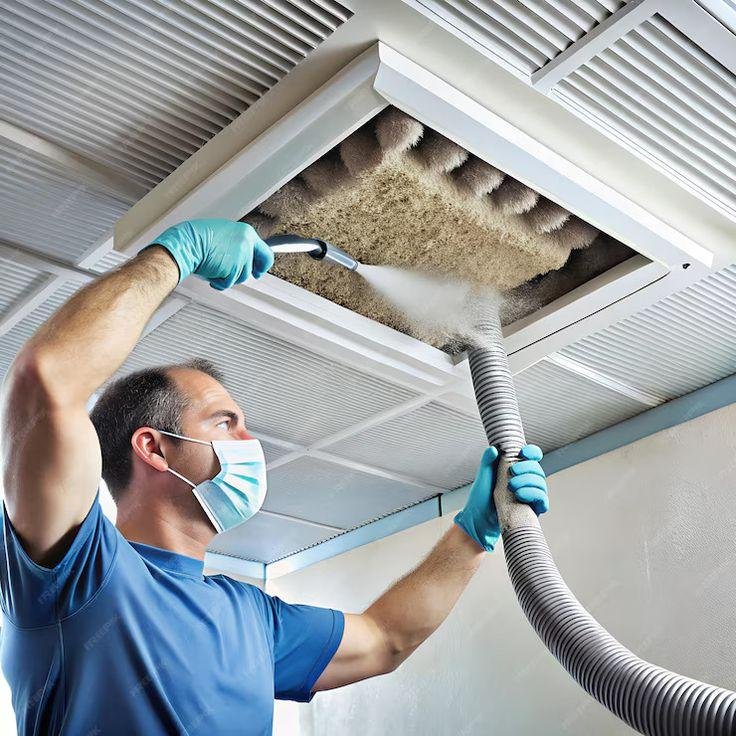
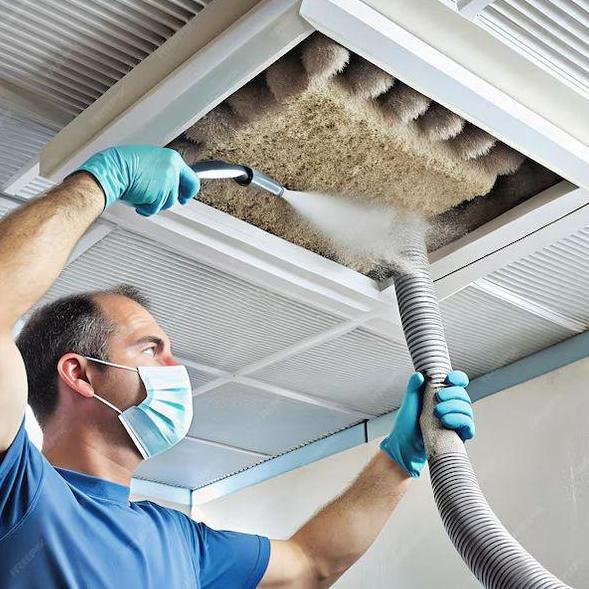
Air conditioning systems depend on proper coordination between mechanical equipment and air distribution components. Ductwork carries conditioned air throughout a property, while filters and other components help manage airborne particles and maintain system operation. Over time, dust, debris, and structural problems may develop within the network. AC Duct Cleaning can address certain contamination issues, but effective HVAC maintenance involves several additional responsibilities.
Understanding these responsibilities helps homeowners and building managers maintain equipment more systematically.
The Importance of Regular HVAC Maintenance
An HVAC system operates through connected components that must remain in suitable condition.
Air Distribution
Ducts transport conditioned air from the equipment to different rooms. Poorly sealed or damaged ducts may allow air leakage and affect temperature distribution.
Filtration
Filters capture airborne particles before they reach sensitive HVAC components.
Incorrectly installed or neglected filters may allow more debris to enter the system.
Cooling Equipment
Evaporator coils, blower assemblies, and condensate drainage systems also require maintenance.
Duct cleaning cannot replace the inspection and care these components need.
Understanding HVAC AC Duct Cleaning
HVAC AC Duct Cleaning involves removing accumulated debris from accessible internal duct surfaces.
Identifying the Need for Cleaning
A professional inspection may reveal substantial dust, construction residue, pest contamination, or other material that requires attention.
A small amount of settled dust does not necessarily justify extensive cleaning.
Selecting Appropriate Cleaning Methods
Technicians should choose equipment according to duct construction and contamination.
Vacuum collection, mechanical agitation, and controlled air-driven tools may be used where suitable.
The Role of Duct Sealing
Duct leakage is a separate issue from internal contamination.
Why Connections Matter
Poorly sealed joints may allow conditioned air to escape into unconditioned spaces.
They may also permit dust to enter the duct network, depending on the location and pressure conditions.
Inspecting Damaged Sections
Technicians should examine accessible connections, insulation, and flexible duct sections.
Damaged components may need repair or replacement rather than cleaning.
Maintaining Filters and Cooling Coils
Filters and coils influence airflow and heat transfer.
Filter Replacement
Filters should be replaced according to manufacturer recommendations and actual operating conditions.
Households with pets or unusually dusty surroundings may need more frequent filter inspections.
Coil Maintenance
Dirty evaporator coils can reduce heat transfer and contribute to drainage problems.
Coil cleaning should follow suitable equipment-specific procedures.
Moisture Management in HVAC Systems
Moisture problems deserve particular attention because condensation can affect insulation and duct materials.
Common Causes of Moisture
-
Poorly insulated duct surfaces.
-
Blocked condensate drains.
-
Refrigeration system problems.
-
Water leaks.
-
Excessive indoor humidity.
Identifying the cause is essential before attempting to clean affected components.
Selecting an AC Duct Cleaning Service
A suitable AC Duct Cleaning Service should include a clear inspection and a defined cleaning scope.
Property owners should ask whether the provider has experience with their duct material and whether the proposed procedure includes both supply and return sections.
They should also request information about dust containment and final inspection procedures.
Creating a Practical Maintenance Schedule
An effective maintenance routine can include:
-
Regular filter inspections.
-
Periodic HVAC equipment checks.
-
Inspection of visible duct connections.
-
Condensate drainage maintenance.
-
Cleaning exposed vent surfaces.
-
Monitoring indoor humidity.
-
Professional inspection when contamination is suspected.
The schedule should reflect equipment requirements, environmental conditions, and system usage.
Why Maintenance Records Are Useful
Keeping records of filter replacements, equipment repairs, and duct inspections helps identify recurring problems.
For commercial buildings, these records can also support maintenance planning and building management responsibilities.
Conclusion
HVAC maintenance involves more than cleaning internal ducts. Filtration, sealing, moisture control, and mechanical inspections all influence system condition. Understanding how these elements work together helps property owners avoid unnecessary treatments and identify genuine maintenance needs. As one part of a complete maintenance approach, Socalgreen air and chimney can help address confirmed debris accumulation within the air distribution network.


