

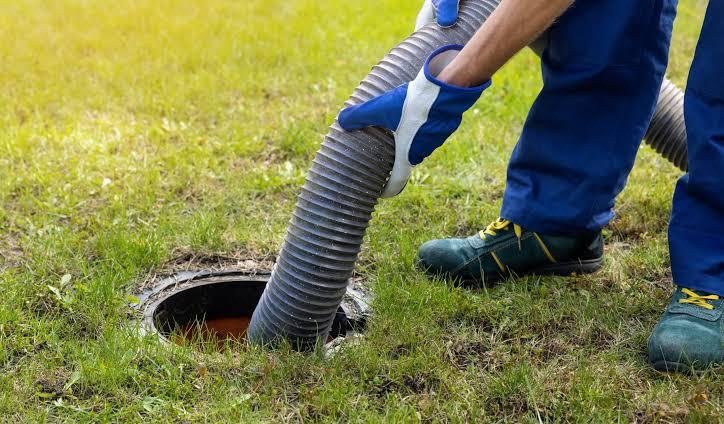

Putting your house up for sale? Here's why septic tank repair Springfield sellers tend to put off can come back and bite you right before closing.
Selling a house is already exhausting. New paint, decluttering, fixing the one hallway floorboard that's been squeaking since 2019. And then somewhere in the middle of all that chaos, your realtor brings up the septic system, and suddenly you're up at midnight googling whether this is actually a big deal or not.
It kind of is, not gonna lie. Septic issues get taken seriously by buyers, sometimes way more seriously than sellers expect going in. And ignoring a problem you already know about doesn't make it vanish once the house sells, it just passes the headache to someone else. A lot of buyers won't let that slide quietly either.
Why Buyers Get So Nervous About Septic Systems
A septic system isn't a leaky faucet situation where you fix it for twenty bucks and forget about it. It's a whole underground setup, and when it fails, repairs can run into the thousands pretty fast. Buyers know this, or their inspector tells them real quick, and it changes the whole tone of negotiations.
Once a "septic issue" shows up on an inspection report, something shifts. Trust takes a hit. Even a small problem makes buyers start wondering what else might be hiding that they can't see. That's just people being people, honestly. Nobody wants surprises after they've already pictured themselves living there.
Inspections Catch What You're Hoping They Won't
Here's the thing about selling in Springfield, or really anywhere these days, most buyers are getting a septic inspection done somewhere in the closing process. It's basically standard now. And inspectors know exactly what they're looking for. Slow drainage, soggy patches, tank age, whether it's been pumped recently, all of it.
If something's going on with your system, there's a good chance it gets flagged. Hoping it slides through unnoticed rarely works out the way sellers want it to. Better you find out first than get blindsided when a buyer's inspector calls your realtor with bad news.

A Failed Inspection Can Wreck Your Timeline
This is the part people don't think about until it's happening to them. A septic inspection coming back with problems doesn't just pause the sale for a day, it can stall things for weeks while repairs get quoted and scheduled. Buyers get antsy during delays like that. Some just walk.
That's honestly a big reason why getting septic tank repair Springfield companies handle done before you list can save the whole deal from falling apart later. Fixing things ahead of time means you're not scrambling for a contractor while your buyer's patience is running out in real time.
Old Systems Raise Flags Even When Nothing's Visibly Wrong
Even if your septic system seems totally fine right now, age by itself makes buyers nervous. A system pushing twenty five, thirty years carries more risk just from wear, even without any obvious symptoms showing up yet. Buyers' agents know this, and it comes up in negotiations more than you'd think.
Worth getting ahead of that conversation honestly. Having records ready, pump dates, past repair history, any paperwork showing the thing's been maintained, helps a lot. Doesn't erase the age issue completely, but it definitely makes buyers feel better about moving forward.
Fixing It Now Is Almost Always Cheaper Than Negotiating Later
Here's something sellers don't think about enough. If a septic problem turns up during inspection, buyers don't just politely ask for a repair. They usually ask for a price cut that covers the fix, plus extra for the hassle of dealing with it. That cushion tends to be more than the repair would've cost you in the first place.
So weirdly enough, fixing it before listing often saves money compared to letting a buyer find it first and negotiate against you. Being proactive here actually pays off, and not just financially, the whole sale just moves smoother too.
What Repairs Usually Come Up Before a Sale
Depends on the home and how old the system is, but common stuff includes pumping a tank that's overdue, patching small leaks, fixing damaged baffles, or dealing with drain field issues if the soil's gotten saturated. None of that's usually a massive job by itself.
The bigger stuff, full tank replacement or rebuilding a drain field, happens less often but obviously costs more and takes longer. Getting an inspection early in the process at least tells you which category you're dealing with before it becomes a surprise at the worst possible moment, like mid-negotiation.
Disclosure Laws Are Not Something to Mess Around With
Missouri's got disclosure requirements, and knowingly hiding a septic problem from a buyer can create legal trouble way down the road, long after closing. If a buyer finds out later you knew about something and didn't say anything, that's not just an awkward conversation, it can turn into an actual lawsuit.
Being upfront, even when it feels uncomfortable in the moment, protects you a lot more than staying quiet and hoping it never comes up. Most buyers actually respect honesty more than sellers assume, especially if you've already handled the problem before listing.
A Pre-Listing Septic Inspection Just Makes Sense
More Springfield sellers are getting septic inspections done before listing now, not waiting for an offer to come in first. Smart move, honestly. It puts you in control of the timeline instead of reacting to whatever an inspector finds once a buyer's already emotionally invested in the house.
If something minor pops up, you've got time to handle it quietly on your own schedule. If everything checks out fine, even better, now you've got paperwork that makes your listing look more attractive. Either way, you're not caught flat footed partway through a sale.
How This Plays Into Your Home's Value
Buyers are getting more cautious about septic systems these days, probably from hearing horror stories online about surprise repair bills. A home with a documented, well maintained system tends to sell faster with less back and forth than one where nobody knows what's going on underground.
Kind of like service records on a used car. Nobody's thrilled about an older system, but knowing it's been cared for makes a real difference in how comfortable a buyer feels signing on the dotted line. Transparency actually converts into dollars here, more than people expect.
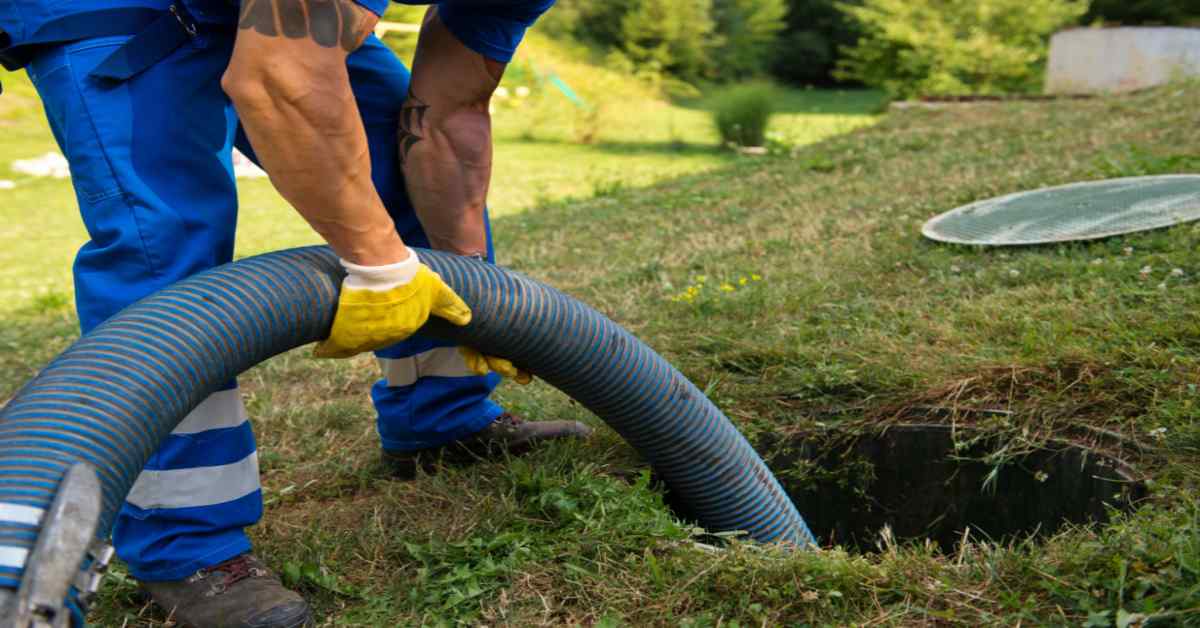
Working With People Who Actually Know Springfield Ground
Springfield's got its own soil quirks and water table behavior that affects how septic systems age compared to other places. A local company that's familiar with that stuff spots problems faster and gives you a much more accurate read on what, if anything, actually needs fixing before you list.
That local knowledge matters more than people give it credit for, honestly. It's the difference between a generic once over and an inspection that actually understands what this particular dirt does to a system over fifteen, twenty years.
Conclusion
So, are septic repairs necessary before selling your Springfield home? Not always. But pretending the question doesn't exist is a risky bet to make. Getting ahead of it with a pre-listing inspection, and handling any needed septic system repairs before your house ever hits the market, puts you in a much stronger spot once negotiations start. Keeps things on track, keeps you covered legally, and honestly just makes the whole thing less stressful for you.
At the end of the day buyers want confidence, not surprises buried in the backyard. A little effort now, before the listing's even live, saves you a lot of back and forth once the offers start rolling in.
FAQs
Do I have to legally disclose septic problems when selling in Springfield?
Yes, pretty much. Missouri requires sellers to disclose known defects, and septic issues usually fall right under that umbrella.
Will buyers require a septic inspection before closing?
Most will ask for one as part of their due diligence, even when it's not strictly required by law in the transaction.
What happens if the buyer's inspector finds a septic problem?
Could delay closing, lead to a price negotiation, or in worse cases make the buyer walk if the issue's big enough.
How much does a pre-listing septic inspection usually run?
Varies by company, but it's generally way less than the price cut a buyer might demand after finding problems themselves.
Should I fix septic issues before listing or wait for an offer?
Fix it first if you can. It almost always costs less and keeps your sale from stalling out mid-negotiation.


