

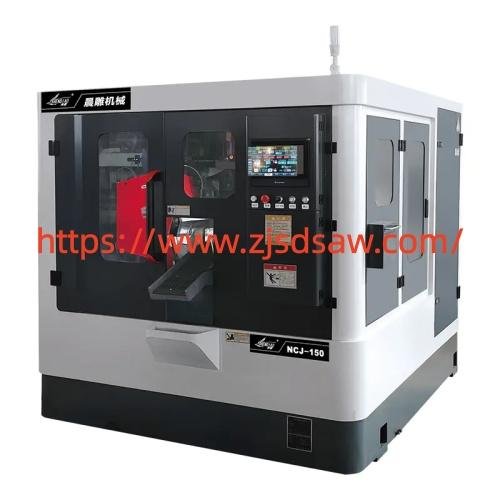

High Speed Circular Saw Machine For Metal applications are attracting attention from manufacturers looking to improve material preparation and organize their production activities. As industrial businesses handle different workpiece shapes, material compositions, and customer requirements, choosing appropriate processing equipment becomes an important purchasing decision. Buyers increasingly consider blade compatibility, material characteristics, finished edge quality, operational convenience, and maintenance arrangements before introducing new equipment into their facilities.
One important consideration in industrial processing is the relationship between blade design and material composition. Different materials respond differently to cutting operations. Aluminum, stainless steel, carbon steel, and copper alloys each have particular characteristics that influence tooling selection and processing methods. A suitable blade should match the workpiece rather than simply follow a general purchasing preference.
Tooth geometry, blade construction, and chip removal all influence the working process. When manufacturers evaluate available equipment, they should also consider whether the recommended tooling is appropriate for their regular production materials. Discussing actual workpiece samples with a supplier can provide useful information before making a purchasing decision.
Material preparation is another subject that deserves attention. Workpieces need appropriate positioning and support before processing begins. Different shapes, including solid bars, tubes, and industrial profiles, may require different holding arrangements. A stable clamping structure helps maintain the intended position during operation and supports a more organized working procedure.
The condition of the finished edge also matters in manufacturing. Components may continue through welding, assembly, machining, or surface treatment after initial processing. Their edge condition can influence subsequent handling and preparation requirements. Businesses should therefore consider the complete production route instead of evaluating equipment based only on its initial processing function.
Another interesting development in industrial manufacturing is the growing role of automation. Factories are reviewing how integrated controls and automated feeding arrangements can support repeated production tasks. These functions can help employees coordinate operations while reducing unnecessary manual involvement in suitable applications.
Automation also changes the way production teams organize their daily responsibilities. Operators can pay attention to workpiece preparation, tooling inspection, finished component checks, and general workplace organization. However, automated functions should be selected according to actual production requirements. Additional technology does not automatically translate into a more suitable purchasing decision.
The user experience of industrial equipment is equally relevant. An understandable control interface, accessible operating areas, and practical material handling arrangements can influence everyday work. Operators need to understand the operating procedure, recognize equipment conditions, and carry out routine inspections without unnecessary complications.
Workplace safety should also be included in the purchasing discussion. Protective covers, emergency controls, secure clamping arrangements, and appropriate chip management all deserve attention. Employees should receive suitable training and follow the manufacturer's operating guidance. Regular inspection of working components can help identify maintenance needs and support responsible equipment use.
Maintenance planning is another factor that can influence long term ownership considerations. Blade condition, lubrication arrangements, cleaning procedures, and replacement component availability should be discussed before purchasing. Establishing a regular inspection routine can help workshops organize servicing activities around their production schedules.
Businesses should also consider the relationship between equipment design and their existing facilities. Available floor space, material transportation routes, operator positioning, and finished product storage can all influence installation planning. A practical layout helps create a more coordinated working environment and reduces unnecessary movement between production stages.
When comparing suppliers, purchasing teams should look beyond promotional descriptions. Product construction, manufacturing experience, technical communication, and after sales support all deserve attention. Requesting detailed product information and discussing actual application requirements can help buyers evaluate different configurations with greater confidence.
Chendiao provides industrial processing equipment to businesses reviewing their manufacturing arrangements. Its product offerings give purchasing teams an opportunity to consider different equipment solutions according to their workshop requirements. Buyers can discuss material characteristics, tooling arrangements, operational functions, and maintenance expectations when evaluating suitable configurations.
The relationship between equipment selection and production planning will continue to matter as manufacturers respond to changing customer requirements. A thoughtful purchasing process considers material compatibility, finished component quality, operator experience, and future maintenance rather than focusing on a single feature. Businesses that evaluate these factors together can develop a clearer understanding of their investment needs.
For manufacturers planning to update their processing facilities or review available industrial solutions, Chendiao offers products worth including in the purchasing evaluation. Visit https://www.zjsdsaw.com/ to view the company website, review its equipment offerings, and identify suitable options to discuss with its team. Matching product capabilities with actual workshop requirements is a practical starting point when planning future manufacturing improvements.


