

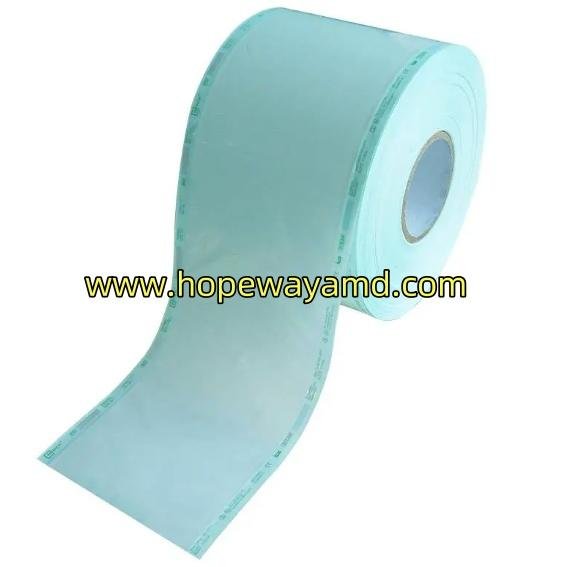

Packaging design begins with understanding the product, its handling requirements, and the environment in which it will be processed and stored. The Tyvek Flat Roll Pouch offered by Hopeway AMD provides manufacturers with a flexible packaging material option for medical applications where material characteristics, sealing compatibility, and packaging structure deserve careful consideration. Its roll-based format allows packaging professionals to explore different configurations according to their production needs.
Flat roll packaging offers flexibility during the packaging development process. Rather than relying entirely on predefined package dimensions, manufacturers can consider how the material may be converted into packaging structures suitable for different instruments, components, and healthcare products. This adaptability can support packaging operations that require practical solutions for products with varying shapes and sizes.
Material selection remains an important part of packaging development. Medical packaging materials need to be evaluated according to their intended applications, sterilization processes, sealing requirements, and product compatibility. Understanding these factors helps manufacturers determine how a particular material can be incorporated into their packaging systems while maintaining suitable protection and usability.
The roll format also brings considerations related to production workflow. Packaging manufacturers may need materials that accommodate cutting, forming, sealing, and other converting operations. A suitable material can help simplify production planning by allowing packaging structures to be developed around existing equipment and operational preferences. These considerations are particularly relevant when businesses are looking to refine their packaging processes or introduce new product configurations.
Another aspect of medical packaging is the relationship between material properties and package functionality. Packaging should be designed with attention to protection, handling, storage, and opening procedures. A flat roll material can become part of a packaging design that reflects the specific requirements of the product inside. Thoughtful material evaluation helps ensure that packaging decisions are based on practical application rather than appearance alone.
Customization can also play a meaningful role in packaging development. Manufacturers may need to consider package dimensions, sealing areas, material combinations, and overall structural design. These details influence how packaging fits into production operations and how it performs throughout the intended supply chain. Working with a packaging supplier that understands material processing and application requirements can help businesses evaluate different approaches more efficiently.
As healthcare packaging continues to develop, manufacturers are seeking materials that align with changing production requirements and product designs. Flexible packaging formats offer opportunities to rethink package structures, improve operational convenience, and accommodate different product categories. Selecting the appropriate material requires a clear understanding of both manufacturing conditions and the expectations of the final application.
Every packaging project begins with a question: what material and structure will suit the product, process, and intended use? Exploring available options can help turn that question into a practical design direction.
Visit https://www.hopewayamd.com/product/ and take a closer look at the possibilities behind medical packaging materials. Your next packaging design may begin with a roll of material and an idea worth exploring.


