

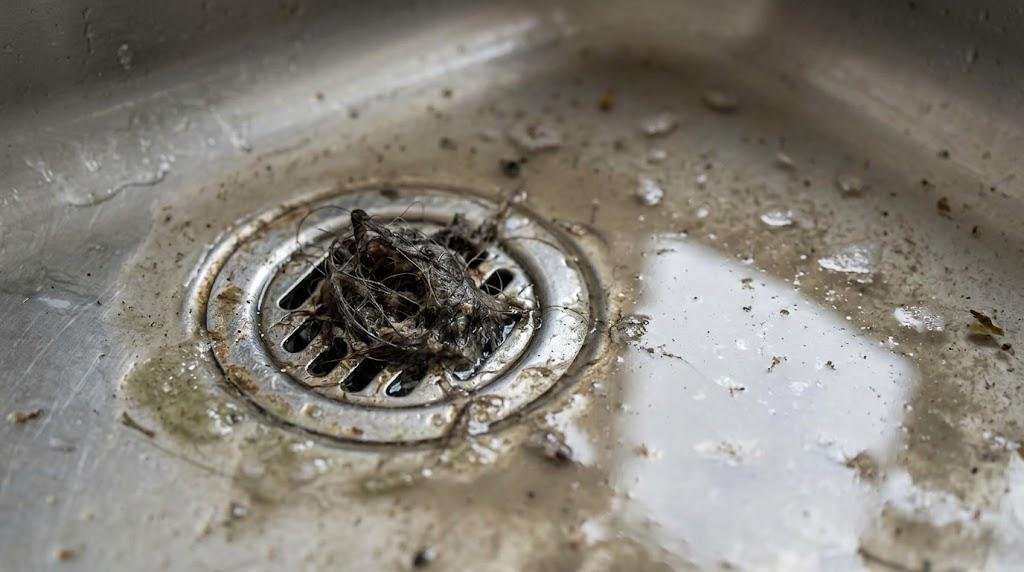

A slow sink or a gurgling tub usually means one thing: a clogged drain. It’s one of the most common plumbing headaches, and in most cases, you don’t need a plumber to deal with it. This guide walks through why a clogged drain happens, how to fix it yourself, and when it’s time to call in help.
Signs You Have a Clogged Drain
The earliest warning is water that drains slower than usual. If you notice standing water in the sink or shower after a few minutes, that’s a clogged drain in progress. A gurgling sound coming from the pipes is another red flag, since trapped air is trying to push past a blockage. Bad smells rising from the drain often point to trapped food, grease, or hair breaking down inside the pipe. Catching these signs early makes a clogged drain much easier to clear before it turns into a full backup.
What Causes a Clogged Drain
Kitchen sinks usually clog from grease, food scraps, and coffee grounds that stick to the inside of the pipe. Bathroom drains, on the other hand, clog mostly from hair, soap residue, and skincare products that build up over time. Outdoor drains can clog from leaves, dirt, or tree roots growing into older pipe joints. A clogged drain rarely happens from a single event; it’s usually the result of small amounts of debris collecting for weeks or months. Knowing the cause helps you pick the right fix instead of guessing.
Quick Fixes You Can Try at Home
Before calling anyone, there are a few simple steps worth trying. A plunger works well for sinks, tubs, and even toilets, and it’s often the fastest way to clear a clogged drain without chemicals. Boiling water poured slowly down the drain can melt grease clogs in kitchen sinks. Baking soda and vinegar, left to sit for fifteen minutes before a hot water flush, breaks down lighter buildup naturally. A drain snake or a bent wire hanger can physically pull out hair clogs from bathroom pipes. These methods solve most minor blockages, and they cost almost nothing compared to a service call.
If you’re also trying to keep household costs down this month, our household budget calculator can help you track repair expenses alongside everything else you’re paying for.
Chemical Drain Cleaners: Useful or Risky
Store-bought drain cleaners promise a fast fix, but they come with trade-offs. They can dissolve organic clogs quickly, which makes them tempting for a stubborn clogged drain. At the same time, repeated use can corrode older metal pipes and worsen leaks down the line. They’re also hazardous if mixed with other cleaning products, so always check labels before using one. If you do reach for a chemical cleaner, use it sparingly and only as a last resort before calling a plumber.
When to Call a Professional
Some clogs are beyond a DIY fix. If a clogged drain keeps coming back within days of clearing it, that’s usually a sign of a deeper blockage further down the pipe. Multiple drains backing up at once often points to a problem in the main sewer line, not just one fixture. Water backing up into a different drain, like a toilet bubbling when you run the shower, means the issue has moved past what a plunger can solve. In these situations, a licensed plumber has the tools, like motorized drain snakes and pipe cameras, to find and fix the real problem.
According to the EPA’s guide on household plumbing maintenance, routine inspection of fixtures and pipes can prevent many of the backups that lead to costly repairs.
Preventing a Clogged Drain in the Future
Prevention is far cheaper than repair. Use drain strainers in both the kitchen and bathroom to catch hair, food, and debris before they enter the pipe. Avoid pouring grease or oil down the sink, since it hardens as it cools and narrows the pipe over time. Run hot water through your drains once a week to help break up any early buildup. Schedule a professional drain cleaning once a year, especially in older homes with aging pipes. These small habits go a long way toward keeping every drain in your home clear.
If you’re planning a home maintenance schedule, check out our task tracker tool to set reminders for drain cleaning and other routine upkeep.
A clogged drain is annoying, but it’s rarely an emergency if you catch it early. Most clogs respond well to a plunger, hot water, or a simple drain snake. Save chemical cleaners for occasional use, and call a plumber when the clog keeps returning or spreads to other fixtures. With a bit of regular maintenance, you can avoid dealing with a clogged drain altogether.


